

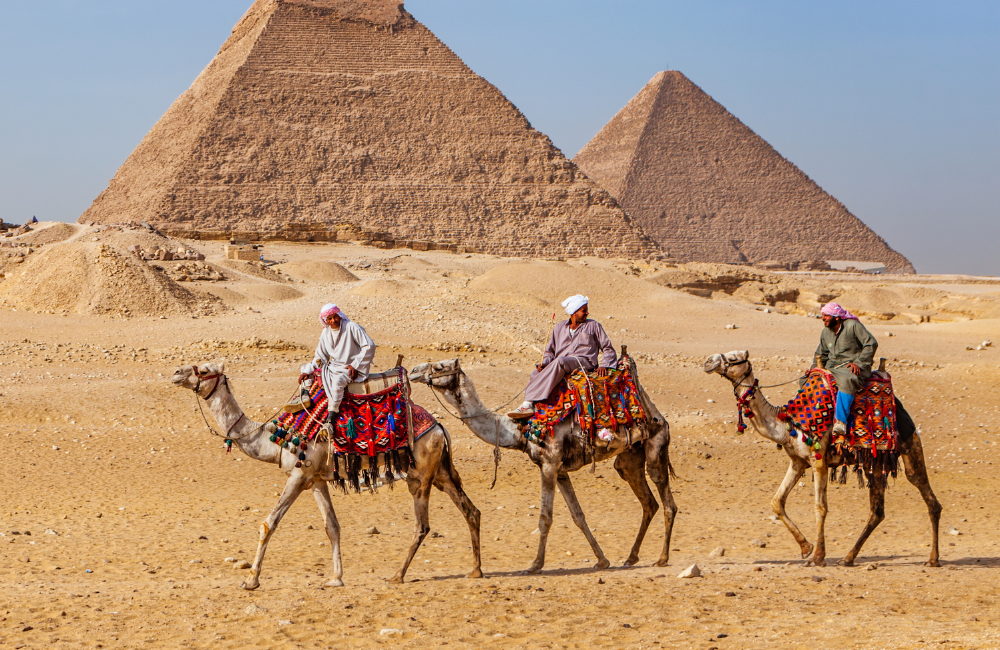
If you’re planning a go hiking in Egypt, you’re in for a surprise.
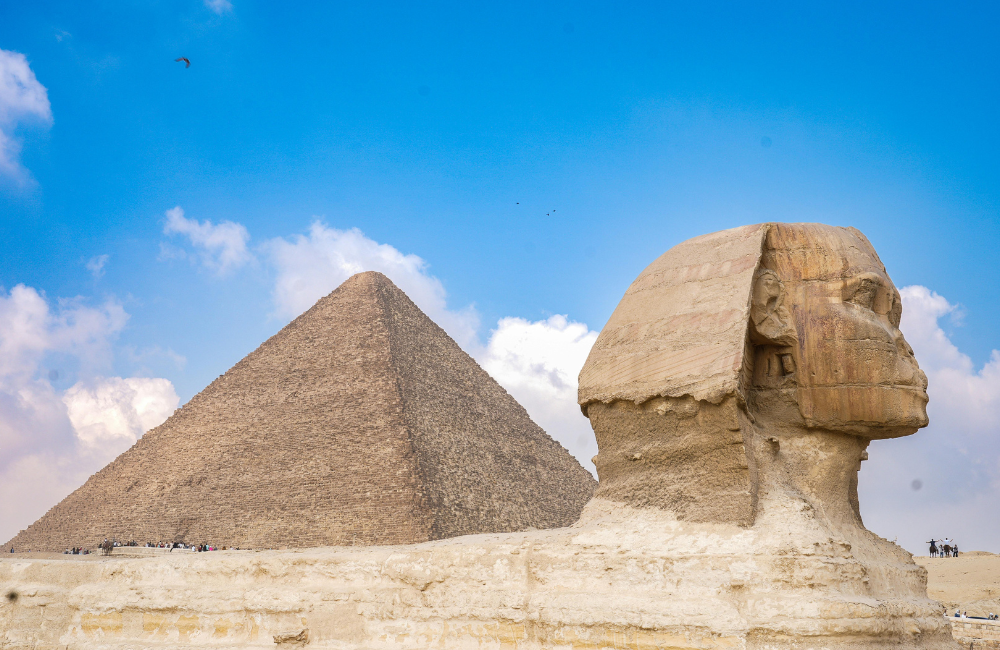
Hiking in Egypt isn’t just “walk around the pyramids until your calves complain” (although… yes, you can absolutely do that too).
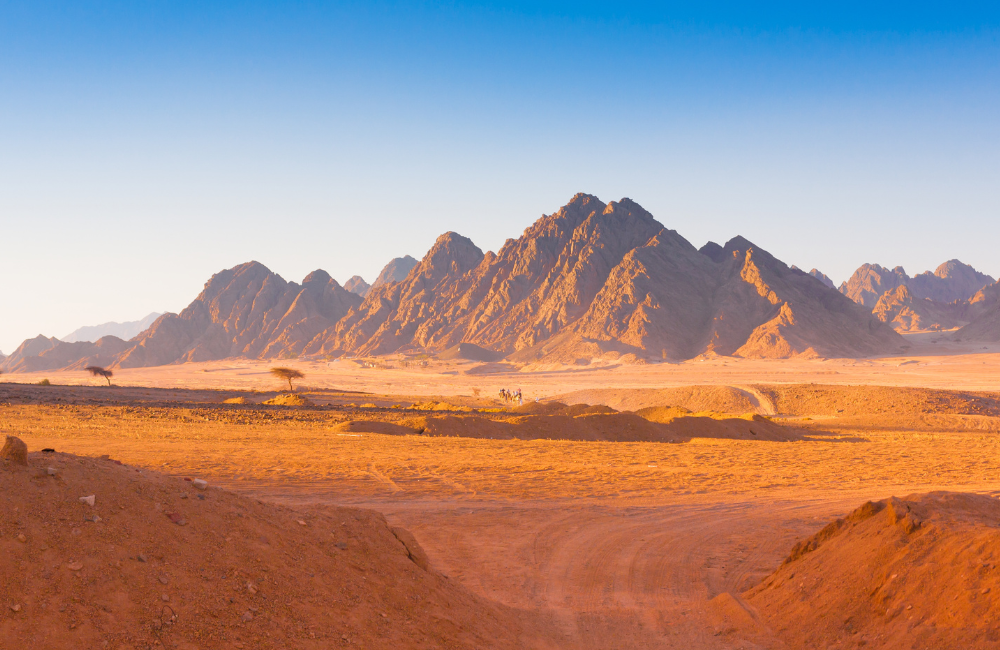
It’s granite mountains in Sinai, surreal chalk spires in the White Desert, fossil-strewn valleys near Cairo, and wide-open silence that makes your brain finally stop tab-hoarding.
I’m going to walk you through the best routes, the right seasons (so you don’t melt), and the key safety notes I’d want someone to tell me before I laced up.
Ready? Let’s roll.
My Quick Takeaways
If you only read one section, make it this.
- Best time for hiking in Egypt: October to April (cooler days, manageable nights).
- The most iconic hike: Mount Sinai (Jebel Musa) at sunrise.
- Best “proper mountain” fix: Mount Catherine near Saint Catherine.
- Best desert wow-factor: White Desert (ideally as a guided multi-day hike/camp).
- Easiest hike from a big city: Wadi Degla (Cairo’s “how is this so close?” canyon).
- Top safety rule: Choose routes in well-travelled areas, go with a licensed local guide for remote zones, and always check the latest UK travel advice before you commit.
Ready for a deep dive? Let’s go hiking in Egypt!
Why Hiking in Egypt Feels so Different (In a Good Way)
Most hiking destinations give you one “main character” vibe: alpine peaks, jungle humidity, rolling green hills. Egypt is more like a genre mash-up:
- Sinai feels like rugged, high-desert mountain trekking with big skies and cold nights.
- The Western Desert is otherworldly, think: chalk formations, endless horizons, and stars that look suspiciously Photoshopped.
- Near Cairo, you can hike desert wadis with fossils and limestone cliffs and still be back for dinner (and probably a very smug coffee).
And here’s the underrated bit: a trip to Egypt forces you to respect climate and logistics. That's why I always recommend going with a trusted guide.
It’s not difficult hiking in the technical sense (most routes are non-technical walks), but the environment is serious.
Heat, exposure, navigation, and remoteness are the real “boss fights”. Let’s start my guide by looking at the best hikes in Egypt.
The 8 Best Hiking Routes in Egypt (My Top Picks)
Below are the routes I’d recommend most often, ranging from bucket-list classics to “why aren’t more people doing this?” hikes.
1. Mount Sinai (Jebel Musa) Sunrise Hike
- Difficulty: Moderate (but the timing makes it feel tougher)
- Time: Typically ~4–6 hours total, depending on pace and crowds
- Why do it: Because hiking up in darkness to catch sunrise over Sinai is peak “main character energy”.
Most people hike Mount Sinai at night so they reach the summit at dawn. Expect a well-trodden path, a headlamp procession, and a final section with a long staircase.
A common route from Saint Catherine is under 6 km one-way with a big final staircase section; some guides cite around 750 steps near the end, with roughly 715 m elevation gain.
There are a few things you should know:
- Bring a headtorch (don’t rely on phone battery).
- Pack a warm layer even if you’re visiting “hot Egypt”, summit winds do not care about your assumptions.
- If you’re unsure about footwear (this is exactly the sort of hike where decent grip matter), here’s our guide to the best hiking boots.
2. Mount Catherine (Egypt’s Highest Peak) from Saint Catherine
- Difficulty: Challenging (longer, higher, rougher terrain)
- Time: 7–10 hours total
- Why do it: Egypt’s highest peak and a more “proper mountain day” experience
Mount Catherine (Mount Katrīnā) is widely cited at roughly 2,642 m and is considered Egypt’s highest peak.
The hike is often done with local guides, sometimes starting before sunrise, depending on your plan and pace.
What makes it different from Mount Sinai is that:
- It’s usually quieter.
- It feels more like a “real trek” than a pilgrimage route.
- Navigation and logistics matter more (guide, local conditions, timing).
My Gear Tip: I’m a big fan of trekking poles for rocky descents and loose gravel. Don’t forget yours. You'll thank me later.

3. Saint Catherine High Mountain Trails (Beyond the Famous Summits)
- Difficulty: Moderate to challenging (depends on route)
- Time: 4–8 hours
- Why do it: Quieter, more adventurous Sinai trekking without the Mount Sinai crowds
If you like the idea of Sinai but want something less “crowd-summit-selfie”, base yourself in Saint Catherine and explore the surrounding valleys and ridgelines with a local guide.
Here you’ll get to see:
- Granite landscapes, big views, dry air
- Routes that feel more exploratory
- Wild camping options (with the right support)
Remember to pack a comfortable, breathable daypack. It makes a massive difference!

4. White Desert (Farafra) Hiking + Camping
- Difficulty: Easy to moderate walking, but logistically serious
- Time: Typically 2–4 days (some trips are 1–2 days)
- Why do it: Otherworldly chalk formations, desert silence, unreal night skies
The White Desert is famous for its chalk formations and wide open desert scenery, and it’s often explored via guided camping trips that include hiking sections.
My strong recommendation: Don’t DIY this. Go with an experienced local operator who knows routes, water logistics, permissions, and emergency plans.
And when you do go, don’t forget the following:
- You need more water than you think
- Sun protection is non-negotiable
- Wind can turn “pleasant” into “sand in places I didn’t know existed”
Not sure what else to pack when hiking in Egypt? For a solid baseline kit, I’d start with our hiking survival kit guide.
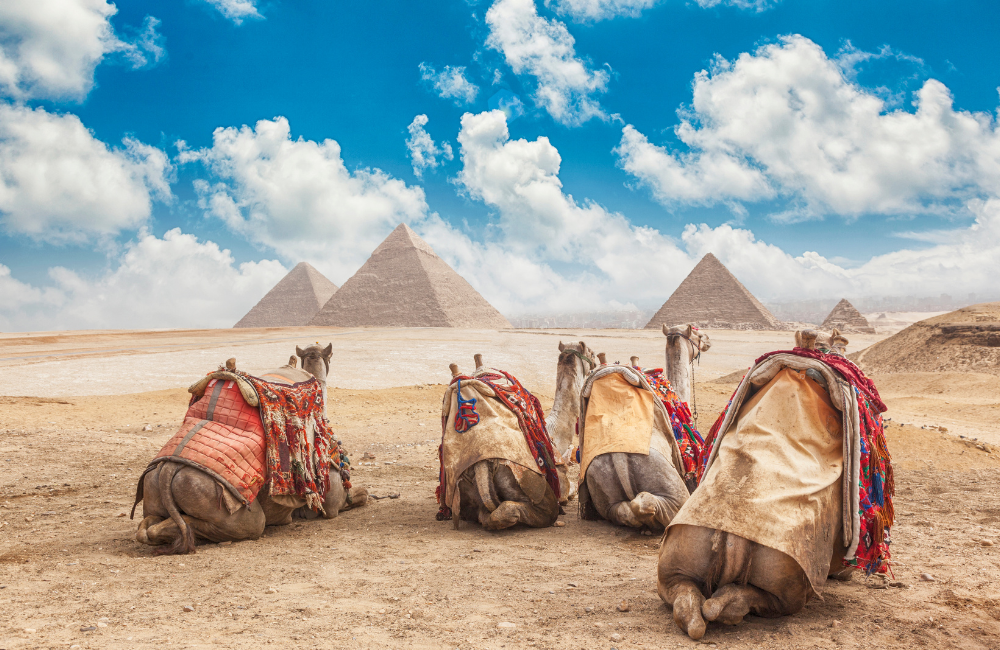
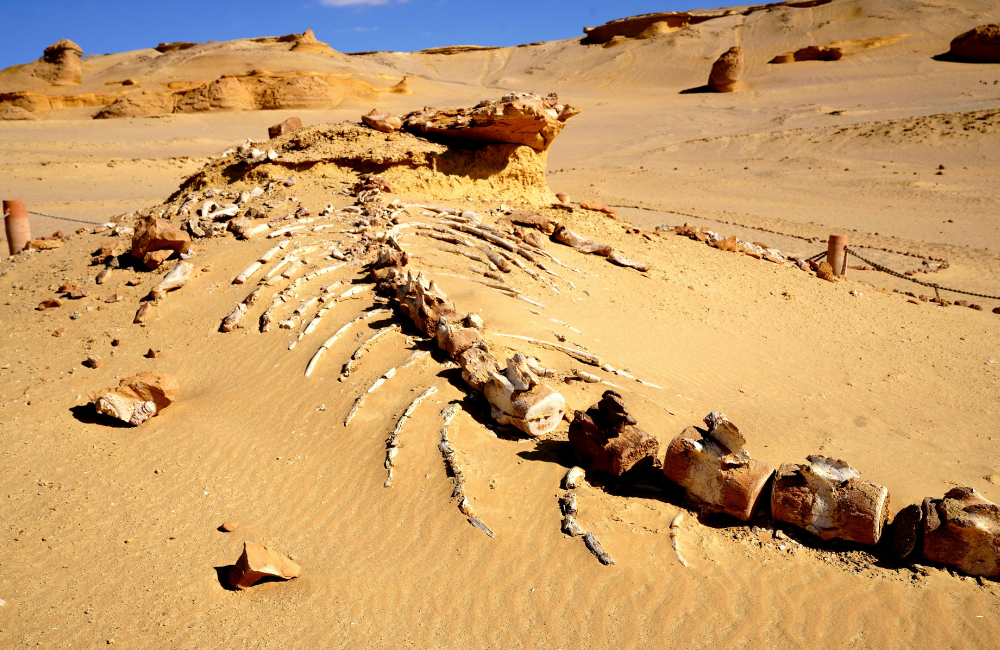
5. Wadi El Hitan (Whale Valley) Fayoum
- Difficulty: Easy
- Time: 2–4 hours on foot (plus time exploring the site)
- Why do it: Desert hike among ancient whale fossils. It's genuinely unique!
Wadi Al-Hitan is a UNESCO World Heritage Site known for exceptionally important whale fossils showing evolutionary transition.
It’s a brilliant day trip from Cairo if you want hiking with a side of “this is absolutely wild”.
My Pro Tip: Bring a wide-brim hat, sunglasses, and something to cover your neck. Desert sun is sneaky.
Let's continue this list of the best hikes in Egypt by looking at hike number 6.

6. Wadi Degla Protectorate (Cairo)
- Difficulty: Easy (choose your distance)
- Time: 1–3 hours
- Why do it: Super accessible desert canyon walk right near Cairo
Wadi Degla is commonly described as a ~12 km valley/canyon area that’s popular for walking, running, and biking, and it’s a very accessible taste of Egypt’s desert landscapes.
How I’d do it:
- Go early (cooler, quieter)
- Carry plenty of water
- Treat it like a real hike anyway, ankles can roll on uneven ground.
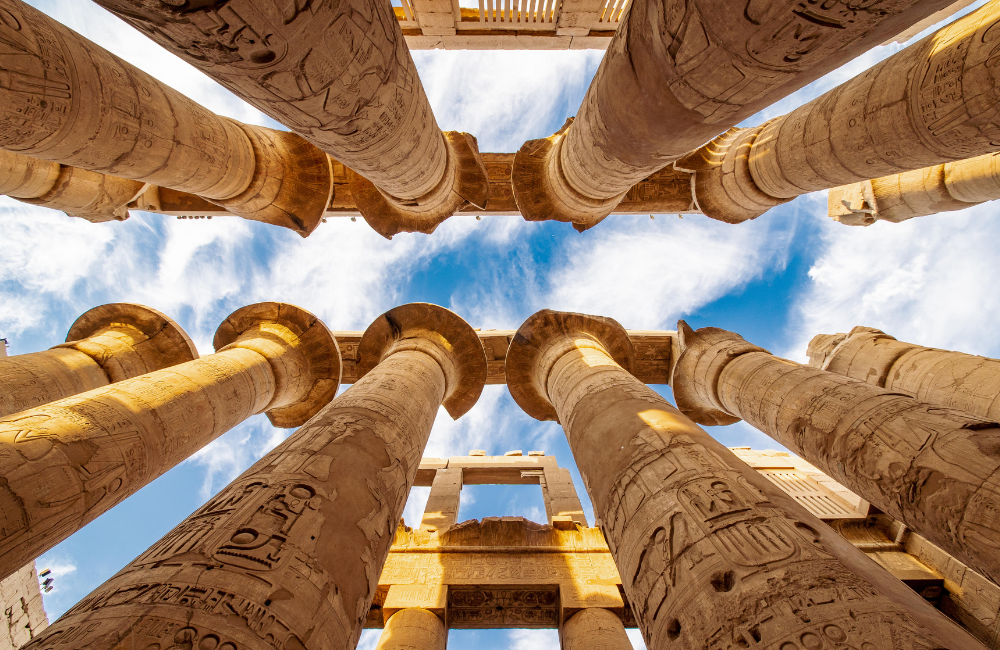
7. Coloured Canyon-style Desert Walks (Sinai Region)
- Difficulty: Easy to moderate
- Time: 2–4 hours
- Why do it: Scenic canyon walking with colourful rock and great photo stops
These are more “hikes” than “treks”, narrow canyon walking, colourful rock walls, and short-to-medium distances. Great if you want something scenic without a major summit push.
The best season for this hike is autumn to spring (avoid peak summer).
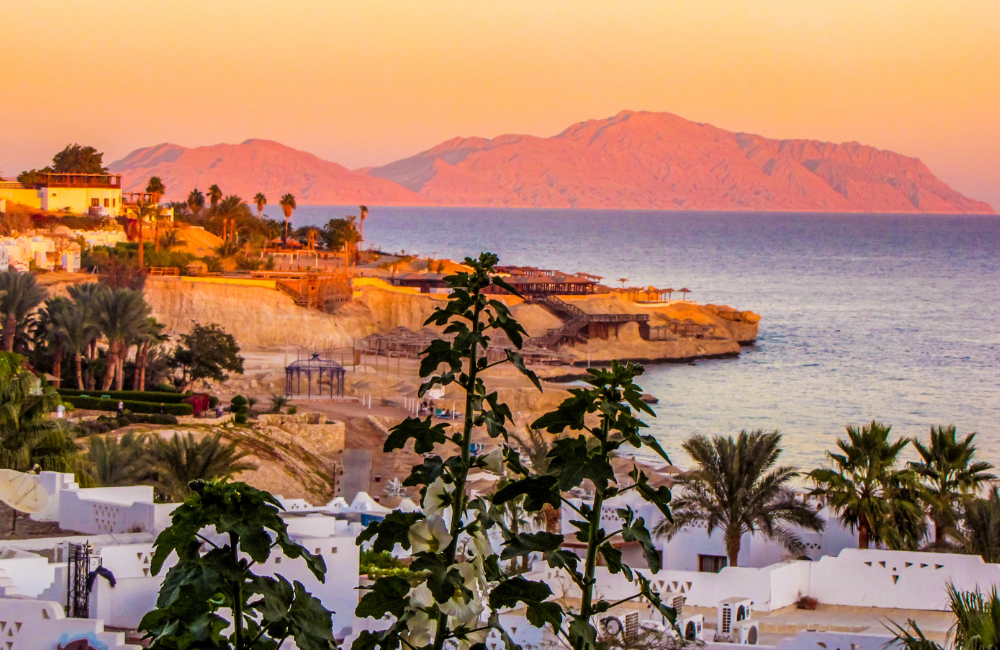
8. Red Sea Mountains / Eastern Desert Day Hikes
- Difficulty: Moderate to challenging
- Time: 3–7 hours
- Why do it: Rugged ridgelines and remote desert mountain scenery (best done with a guide)
This is the least “packaged” option on this list, but the Eastern Desert has rugged ridges and dramatic terrain. You’ll want a reputable guide/operator here, especially if you’re heading far from towns.
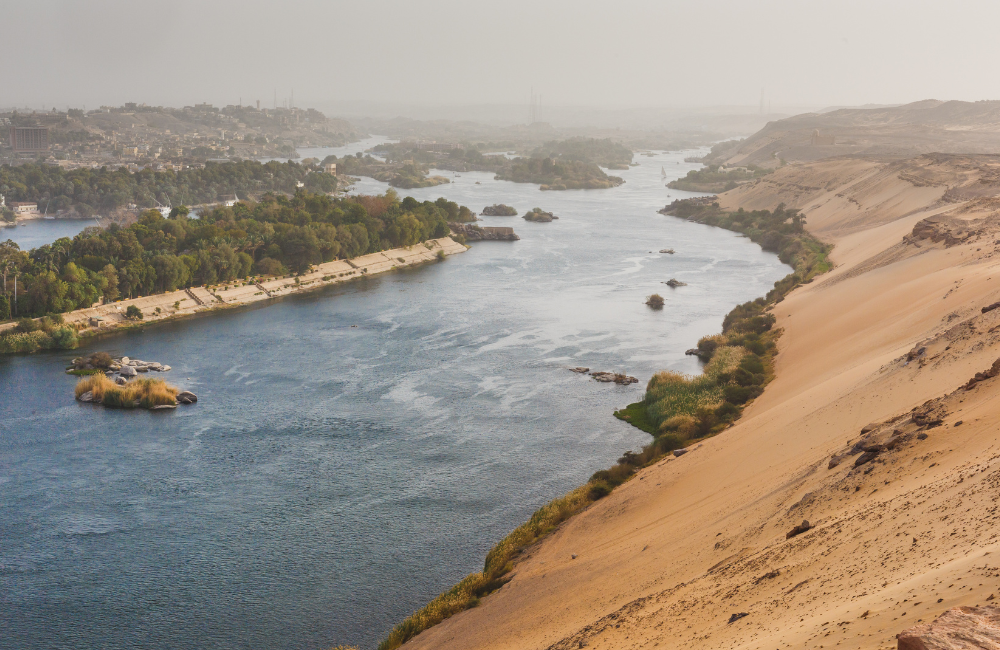
Best Time for Hiking in Egypt
Now that you know where to go hiking in Egypt, let’s look at when to go.
The Golden Season: October to April
This is when most travellers will find Egypt’s hiking comfortable, cooler daytime temperatures and more manageable exposure.
Winter (December to February): Surprisingly Cold in Sinai
Cairo might be mild, but Sinai mountain nights can be properly chilly. If you’re doing a sunrise hike, plan for cold.
Shoulder Months (October/November and March/April): My Favourites
You often get the best balance:
- Daytime warmth without the furnace setting
- Clear skies
- Comfortable hiking hours
Summer (May to September): Only for Very Specific Hikes
In summer, I’d only consider:
- Very early morning hikes near cities
- Coastal or shaded routes
- Anything else becomes heat management first, hiking second.
Safety, Security, and Common-Sense Rules (the Stuff that Matters)
I’m going to be blunt: hiking safety in Egypt is less about technical difficulty and more about environment + location.
1. Check Travel Advice Before You Lock Anything In
The UK government travel advice for Egypt includes specific regional warnings (including parts of Sinai and border areas).
Always check the latest guidance, especially if your route is remote or near sensitive areas.
2. Use Local Guides for Sinai Mountains and Desert Routes
For Mount Sinai, you can often hike with a group/tour, but for anything more remote (Mount Catherine, multi-day Sinai treks, White Desert routes), a reputable local guide isn’t optional; they’re part of the safety system.
3. Water + Heat Are the Real Hazards
- Carry at least 2 litres for short hikes, more in hot weather
- Add electrolytes
- Don’t “push through” dizziness or nausea
If you want a reliable packing baseline, our hiking gear list is a good place to start:
4. Navigation and Comms
- Offline maps (phone signal is not guaranteed)
- Headtorch for dawn/night hikes
- Power bank
- Tell someone your plan
5. Respect Culture and Local Norms
Egypt is welcoming, but conservative in many areas. Cover shoulders and knees in rural areas, bring a light layer for sun and modesty, and be polite with photography around people and security checkpoints.
What I’d Pack for Hiking in Egypt
You don’t need mountaineering gear, but you do need smart basics. Here’s what I’ll pack:
- Comfortable trail footwear or hiking boots
- Sun hat + sunglasses
- Sunscreen + lip balm
- Lightweight long-sleeve for sun protection
- 2–3L water capacity (bottles or bladder)
- Snacks you’ll actually eat in heat
- Small first aid + blister kit
- Travel insurance for Egypt
- Headtorch (Sinai sunrise hikes)
- Light insulating layer (Sinai nights / summit wind)
- A daypack
If you’re doing desert camping / multi-day routes, start with this backpacker checklist and adapt.

FAQs About Hiking in Egypt
Here are some frequently asked questions about the best hikes in Egypt.
Is hiking in Egypt good for beginners?
Yes, if you choose the right routes. Wadi Degla and many guided desert walks are beginner-friendly. Sinai summits are doable for most reasonably fit hikers, but timing (night hikes) and cold/wind can surprise people.
Do I need a guide?
For anything remote: yes, absolutely. For high-profile hikes like Mount Sinai, you’ll often join a tour anyway. For deserts and longer Sinai routes, a guide is a safety and logistics requirement.
Can I hike independently?
In urban-adjacent areas like Wadi Degla, you can often do shorter walks independently (common-sense rules apply). For the Sinai mountains and deserts, I wouldn’t recommend solo/DIY routes.
Is it safe to hike in Egypt?
Safety depends heavily on where and how you hike. Stick to well-travelled areas, use reputable guides for remote routes, and check the latest official travel advice.
My Final Thoughts
And there you have it: Hiking in Egypt is one of those things people don’t talk about enough, which is honestly a bit of a gift.
You can have world-class history and genuine outdoor adventure in the same trip, without fighting the crowds you’d get in some more famous hiking countries.
If you plan around the seasons, respect the environment, and treat logistics seriously, Egypt delivers the kind of hikes you’ll still be thinking about months later.
