

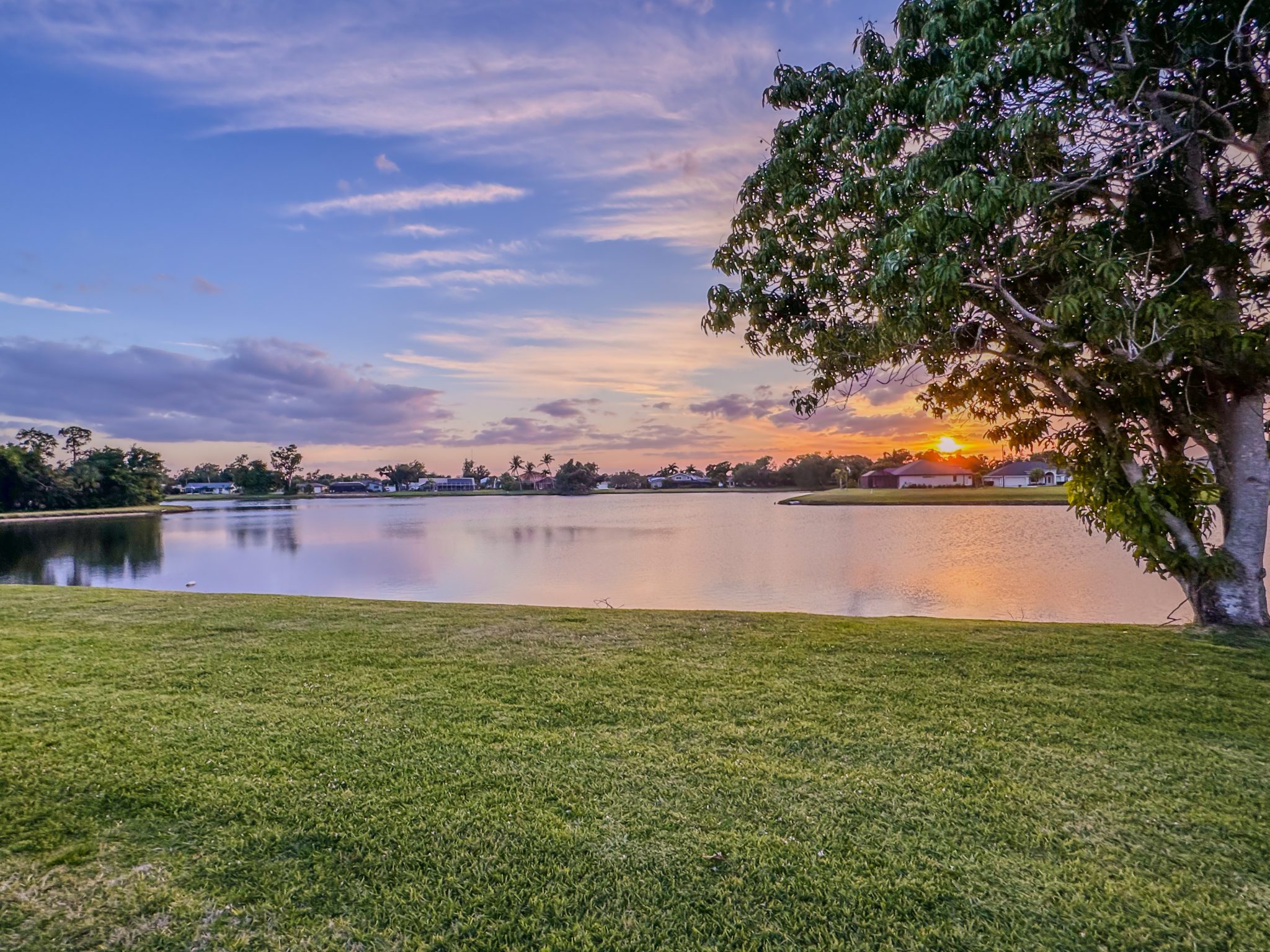
Florida is best known for its beaches, theme parks and year-round sunshine. Look beyond the obvious attractions, however, and you will find a surprisingly varied outdoor playground.
The state’s landscapes include mangrove forests, freshwater springs, subtropical wetlands, pine woods, remote islands and open prairie. There may not be any major mountain ranges, but Florida offers far more scope for active adventure than many first-time visitors expect.
You can paddle through the Everglades, swim in spring-fed rivers, ride horses across a working ranch landscape or spend the night beneath the stars. There are also thousands of miles of hiking, cycling and paddling routes to explore.
Here are ten of the best outdoor adventures in Florida for travellers who want to experience more than the beach.
Best Outdoor Adventures in Florida
1. Explore Florida on Foot
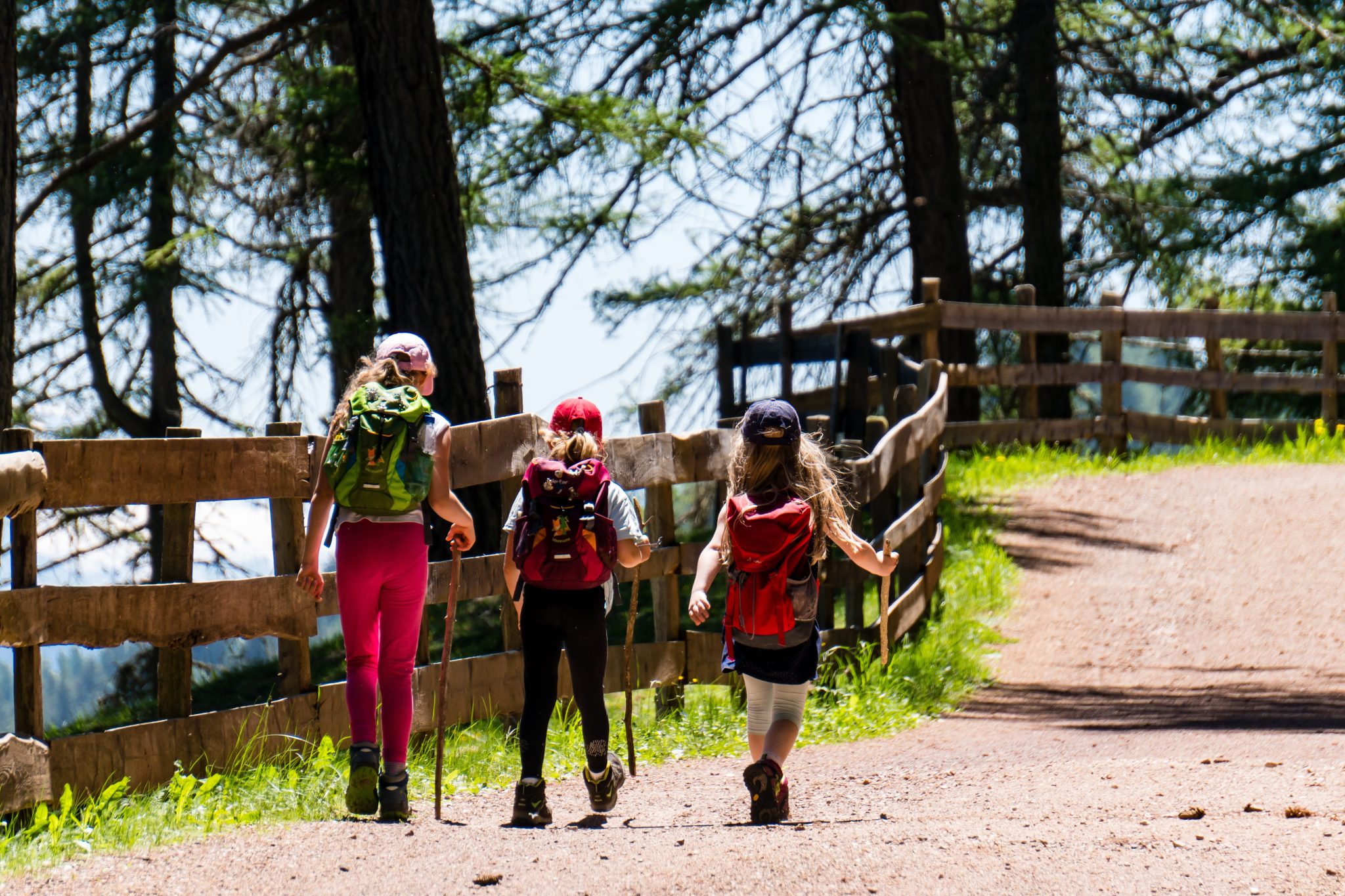
Florida is relatively flat, but that does not mean it lacks interesting hiking.
Its trails pass through landscapes that feel very different from the mountainous environments found elsewhere in the United States. Depending on where you walk, you might cross open prairie, follow a sandy coastal path, enter a cypress swamp or hike beneath live oaks draped in Spanish moss.
The Florida National Scenic Trail is the state’s best-known long-distance route. It runs for roughly 1,300 miles between Big Cypress National Preserve in South Florida and Gulf Islands National Seashore in the Panhandle.
You do not need to tackle the entire trail. Numerous sections work well as day hikes, including stretches around Blackwater River State Forest, the Aucilla River and the Kissimmee Prairie area.
Our guide to hiking in Florida covers several of the state’s most rewarding trails in more detail.
Florida walking conditions can be deceptive. A trail may have very little elevation gain but still involve deep sand, standing water, exposed sun or high humidity. Carry sufficient water, check trail conditions and avoid assuming that a flat route will automatically be easy.
For inspiration elsewhere in the country, see our guide to the best hikes in America.
2. Paddle Through the Everglades
The Everglades are best experienced from the water.
Canoes and kayaks allow you to move quietly through mangrove creeks, shallow bays, sawgrass marshes and sheltered ponds. Along the way, you may encounter herons, egrets, turtles, alligators and an extraordinary variety of other wildlife.
Routes range from relatively short marked canoe trails to demanding multi-day wilderness journeys. Beginners should consider joining a guided excursion, particularly if they are unfamiliar with tides, mangrove navigation or Florida’s wildlife.
Experienced paddlers can investigate longer backcountry routes, but careful planning is essential. Distances can be deceptive, mobile reception may be unreliable and mangrove-lined waterways can look remarkably similar.
The US National Park Service maintains an official guide to canoe and kayak trails in Everglades National Park, including information about launch points, route difficulty and guided options.
Take drinking water, sun protection, insect repellent and a waterproof method of carrying navigation and communication equipment. A dry bag is also useful for protecting phones, cameras and spare clothing.
3. Kayak Florida’s Freshwater Springs
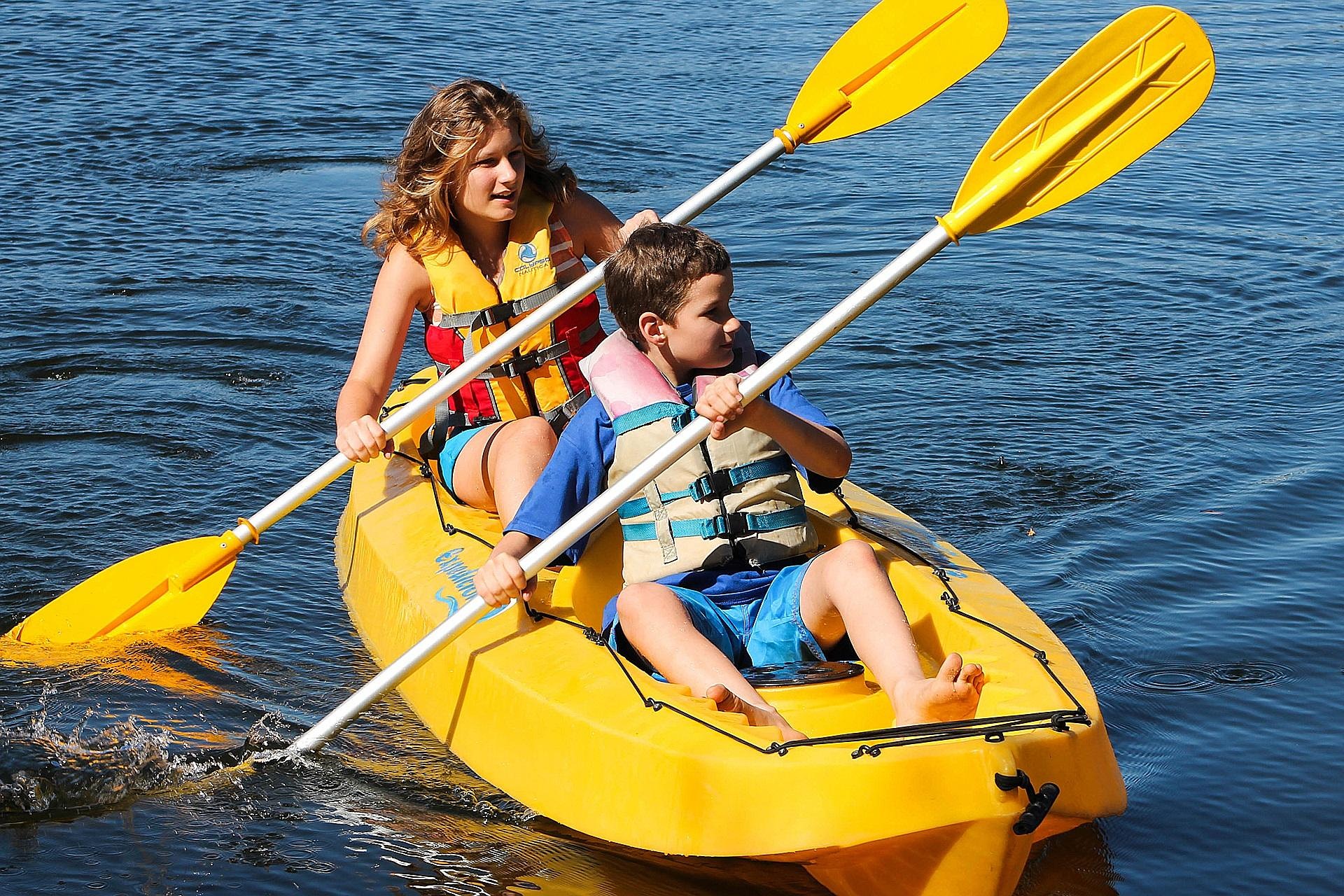
Florida contains hundreds of freshwater springs, many of which feed exceptionally clear rivers.
Kayaking is one of the best ways to explore them. Popular paddling areas include the Wekiva River, Rainbow River, Ichetucknee River and Silver River. Depending on the location, you may paddle past cypress trees, turtles, wading birds and manatees.
Spring-fed waterways are often calmer than exposed coastal routes, making them a good introduction to paddling. However, current speed, boat traffic and launch arrangements vary considerably. Some routes require a downstream shuttle, while others can be completed as an out-and-back trip.
Popular springs may reach capacity during weekends and public holidays, so arrive early and check access requirements before travelling.
Even on a short paddle, take more water than you think you will need. A hydration reservoir can be convenient during active days; our guide to the best hydration bladders compares some of the main options.
4. Experience Florida’s Ranch Country
Beaches and wetlands dominate Florida’s tourism image, but Central Florida also has a strong ranching identity.
A ranch stay gives visitors an opportunity to see a different side of the state. Typical activities include guided trail rides, fishing, camping, archery and wildlife excursions. Some properties combine traditional outdoor experiences with cabins or glamping accommodation, making them accessible to families and travellers who do not want a completely rustic stay.
Westgate River Ranch is one of the better-known ranches in florida, offering horseback riding alongside activities such as airboat trips, swamp buggy rides, fishing and archery.
Horseback riding can be an enjoyable way to cover more ground than you would on foot while experiencing open countryside at a slower pace. Many guided rides are suitable for beginners, although age, height and weight restrictions may apply.
Wear long trousers and closed-toe shoes, and follow the instructions provided by the riding team. Florida’s heat can also make afternoon rides uncomfortable, so morning sessions are often a better choice during warmer months.
5. Cycle Florida’s Traffic-Free Trails
Florida has an extensive network of paved rail trails, park roads and off-road cycling routes.
One of the advantages of cycling here is the relatively gentle terrain. Families and recreational cyclists can cover meaningful distances without facing long mountain climbs, while experienced riders can link routes together for a bigger day out.
Popular options include the Withlacoochee State Trail, West Orange Trail, Gainesville-Hawthorne State Trail and Legacy Trail near Sarasota. Coastal routes also provide opportunities to combine cycling with beaches, nature reserves and small towns.
Mountain bikers can find more technical riding in places such as Santos, Alafia River State Park and Markham Park. These trail systems may include roots, rocks, steep banks and purpose-built features that contrast sharply with Florida’s otherwise flat landscape.
Heat is the main challenge. Start early, carry plenty of water and plan rest stops in shaded areas. Sunglasses are useful not only for bright conditions but also for protecting your eyes from dust, insects and low branches. See our guide to the best hiking sunglasses for suitable outdoor options.
6. Snorkel or Dive in a Spring
Florida’s springs are not only for paddling. Their clear water also creates excellent conditions for swimming, snorkelling and, at selected sites, scuba diving.
Popular swimming and snorkelling locations include Rainbow Springs, Ichetucknee Springs and Gilchrist Blue Springs. The water can remain surprisingly cool even when the air temperature is high, which makes the springs particularly refreshing during summer.
Certified cave and cavern divers also travel to Florida to explore its underwater systems. This is a specialist activity that requires appropriate training, equipment and local knowledge. Never enter an overhead environment without the necessary certification and experience.
For casual visitors, a mask and snorkel are often enough to see fish, submerged vegetation and the limestone features around a spring vent.
Check local rules before entering the water. Swimming areas can close because of environmental conditions, wildlife activity, maintenance or high water levels.
7. Go Wildlife Watching
Florida’s position between temperate and tropical climate zones supports a remarkable range of wildlife.
Depending on the region and season, visitors may see alligators, manatees, dolphins, sea turtles, deer, otters and hundreds of bird species. The state is particularly rewarding for birdwatchers, with wetlands, beaches and forests attracting both resident and migratory species.
The Everglades are an obvious place to begin, but excellent wildlife viewing is also available in Merritt Island National Wildlife Refuge, Ding Darling National Wildlife Refuge, Corkscrew Swamp Sanctuary and numerous state parks.
Wildlife encounters should always happen at a respectful distance. Never feed wild animals or approach them for photographs. Alligators can move quickly over short distances, while apparently docile animals may become defensive when threatened.
Binoculars provide a better view without disturbing the animal. Early morning and late afternoon are often productive periods for sightings and are also more comfortable than the middle of the day.
8. Camp or Glamp in the Wilderness
Spending a night outdoors allows you to experience Florida after the day visitors leave.
Camping options range from developed state park sites with bathrooms and electricity to remote backcountry campsites accessible only by foot or boat. Coastal islands, pine forests, riverbanks and prairie landscapes all offer very different overnight experiences.
Winter is generally the most comfortable season for tent camping because temperatures are cooler and insect activity is often lower. Summer camping can be hot, humid and stormy, so good ventilation and a carefully chosen pitch are important.
Travellers who prefer extra comfort can choose a glamping tent, cabin or covered wagon. These options retain some of the atmosphere of an outdoor stay while providing proper beds and, in some cases, air conditioning and private bathrooms.
Campers should store food securely and follow local rules regarding wildlife, fires and waste. Our essential camping gear guide covers the main equipment you will need for an overnight trip.
9. Take an Airboat or Swamp Buggy Excursion
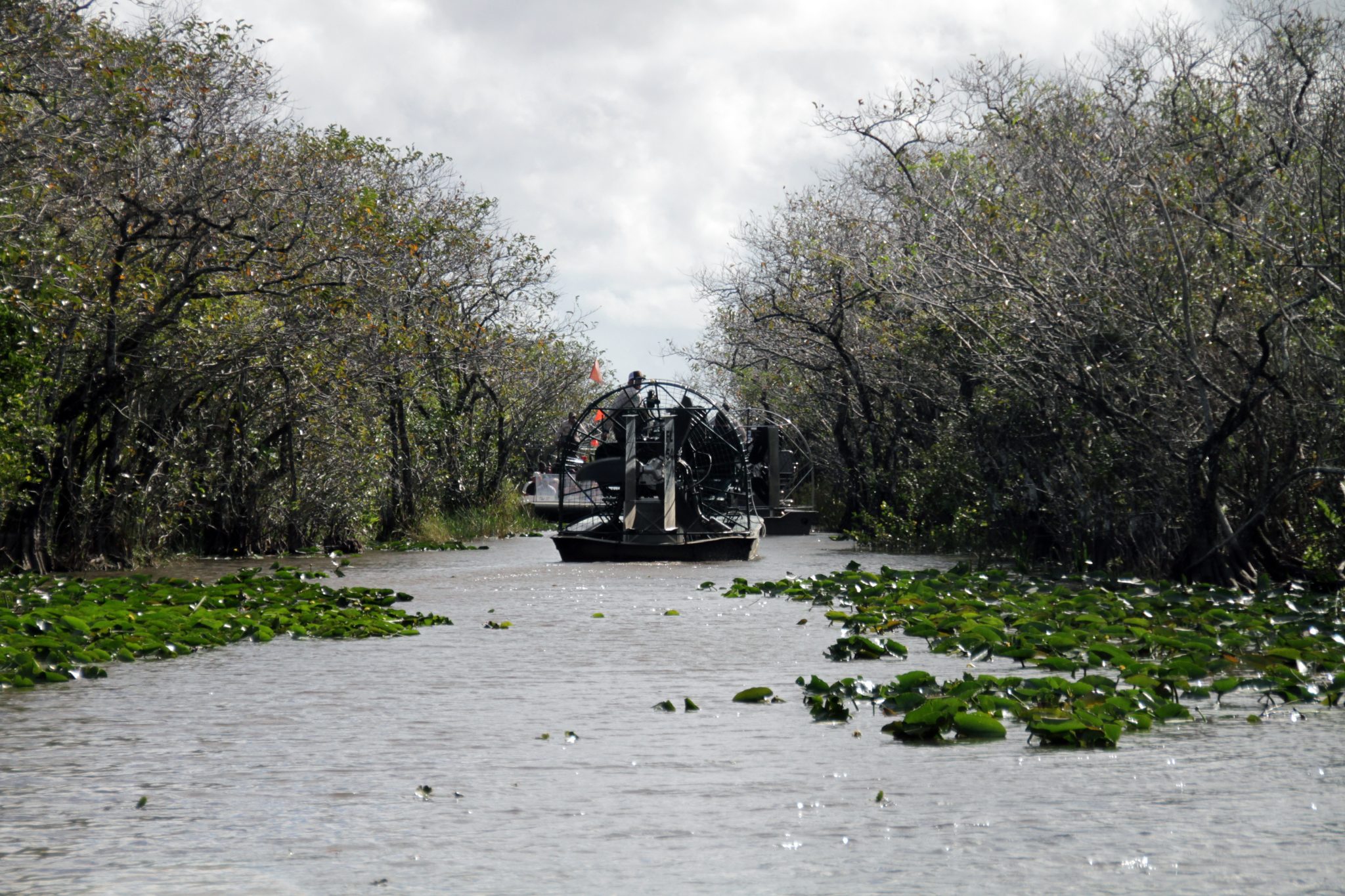
Airboats are one of Florida’s most distinctive outdoor experiences.
Their flat-bottomed design and elevated propeller allow them to cross shallow wetlands that conventional boats cannot easily navigate. Trips are available around the Everglades, Kissimmee River basin and several other wetland areas.
An airboat excursion can provide access to remote scenery and wildlife habitat without requiring specialist paddling skills. Most operators provide hearing protection, as the engines can be extremely loud.
Swamp buggies offer another way to explore rough wetland and ranch terrain. These elevated vehicles use large tyres to travel across mud, shallow water and uneven tracks, giving passengers a higher vantage point for wildlife viewing.
Choose an established operator with clear safety procedures and a responsible approach to wildlife. A good guide should interpret the ecosystem rather than chasing or crowding animals.
10. Explore Florida’s Coast by Paddleboard or Sea Kayak
Florida has more to offer paddlers than inland rivers and wetlands.
Sea kayaks and stand-up paddleboards can be used to explore sheltered bays, mangrove lagoons and barrier islands along both the Gulf and Atlantic coasts. The Florida Keys are particularly popular, but rewarding coastal paddling is also available around Sarasota, Naples, Tampa Bay and the Space Coast.
Mangrove tunnels create calm, atmospheric routes where paddlers can look for fish, rays and coastal birds. More exposed crossings require experience, as wind, tides and boat traffic can quickly turn a relaxed outing into a demanding one.
Beginners should stay in sheltered water or join a guided tour. Always wear a personal flotation device and check the marine forecast before launching.
Morning conditions are often calmer. Starting early also reduces exposure to the strongest sun and leaves a margin of safety if the trip takes longer than expected.
When Is the Best Time for Outdoor Adventures in Florida?
For most land-based activities, November to April is the most comfortable period. Temperatures are generally milder, humidity is lower and there tend to be fewer insects than during summer.
This is a good time for hiking, camping, cycling and wildlife watching. It is also a popular season, so accommodation and guided activities may need to be booked in advance.
From May to October, conditions are hotter and more humid. Afternoon thunderstorms are common, and tropical weather can disrupt travel plans. The warmer months can still be enjoyable for paddling and swimming, provided you start early, monitor the forecast and remain flexible.
Conditions vary considerably between North Florida, Central Florida, South Florida and the Keys. Check the forecast and any park alerts shortly before setting out.
What to Pack for an Outdoor Trip in Florida
Your equipment will depend on the activity, but a basic Florida outdoor kit should include:
- Plenty of drinking water
- High-factor sunscreen
- A sun hat and sunglasses
- Lightweight, quick-drying clothing
- Insect repellent
- A waterproof jacket
- Supportive footwear
- A small first-aid kit
- A charged phone and backup power source
- A waterproof bag for electronics and valuables
For remote hikes or self-guided backcountry trips, consider carrying additional emergency equipment. Our guide to building an essential hiking survival kit explains what to pack and why.
Final Thoughts
Florida rewards travellers who look beyond its headline attractions.
You can hike through cypress swamps, kayak among mangroves, swim in crystal-clear springs and ride across open ranch country—all within the same state. The lack of high mountains does not make Florida less adventurous; it simply means the adventure takes a different form.
The key is to plan around the climate, respect the wildlife and choose activities suited to your experience. Do that, and Florida can deliver an outdoor trip every bit as memorable as its beaches.
