

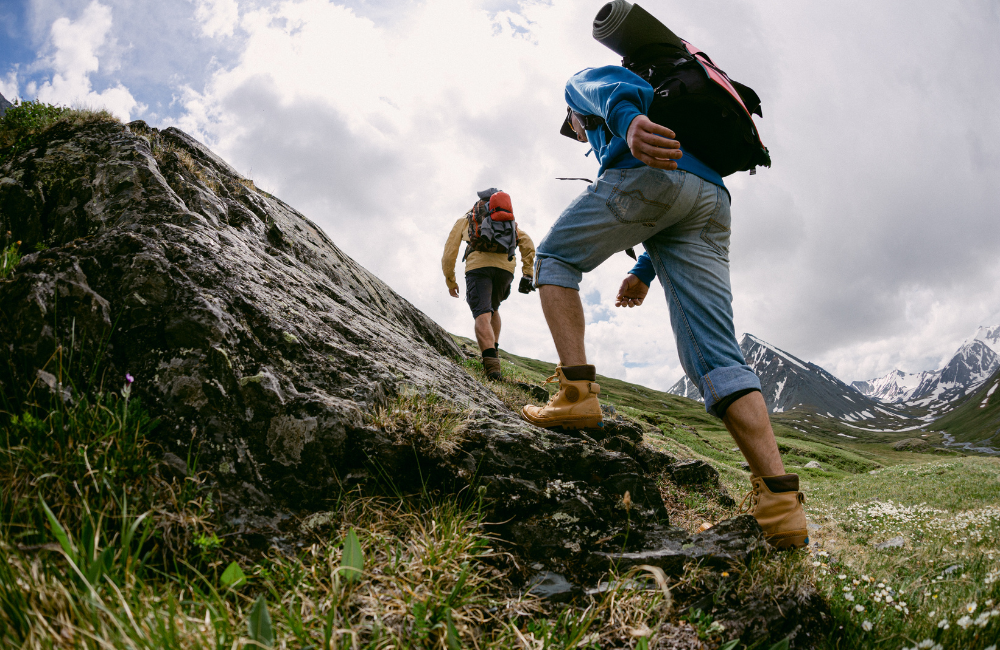
The best travel insurance company for a trekking holiday depends on where you are going, how high you will climb and what you plan to do when you get there.
A standard holiday policy may cover an easy day hike in Europe but exclude trekking above a certain altitude. It may also exclude mountaineering, search and rescue, helicopter evacuation or hiking in remote areas.
That is a fairly important detail to discover before you are halfway to Everest Base Camp.
I have compared seven travel insurance companies for different types of hiking and adventure trip.
These include specialist options for high-altitude trekking, backpacking, technical mountain sports, older travellers and people with pre-existing medical conditions.
Ready? Let’s roll.
Best trekking travel insurance companies at a glance
- Rise & Shield: High-altitude trekking and adventure travel
- Campbell Irvine Direct: Guided trekking at very high altitude
- True Traveller: Backpackers and flexible activity cover
- Snowcard: Mountaineering and technical mountain sports
- World Nomads: Trips involving several activities
- OGSure: Older travellers without pre-existing medical conditions
- AllClear: Older travellers with medical conditions
These companies are not ranked solely by price. I have selected each one for a particular type of traveller or mountain trip.
Insurance benefits, eligibility rules and exclusions vary by country of residence. Always request a personalised quote and read the current policy wording before buying.
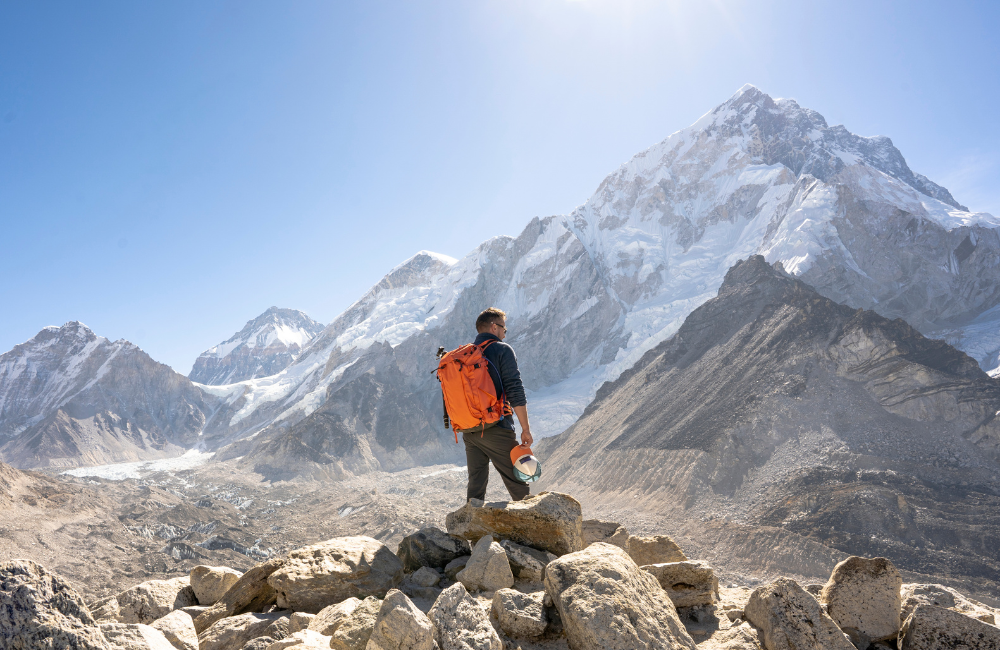
Quick answer: Which trekking insurance is best?
For readers who want the answer without the scenic route:
- Rise & Shield is my overall pick for high-altitude trekking and adventure trips.
- Campbell Irvine Direct is worth comparing for guided trekking on recognised routes up to 7,000 metres.
- True Traveller is a strong option for backpackers, long trips and people already abroad.
- Snowcard is designed for more technical mountain sports, climbing and mountaineering.
- World Nomads suits trips involving several different adventure activities.
- OGSure may suit older travellers who do not require cover for pre-existing medical conditions.
- AllClear is worth comparing if age or medical history makes ordinary policies unsuitable.
The right choice still depends on your exact route. Everest Base Camp, Kilimanjaro, the Inca Trail and Aconcagua all involve very different insurance requirements.
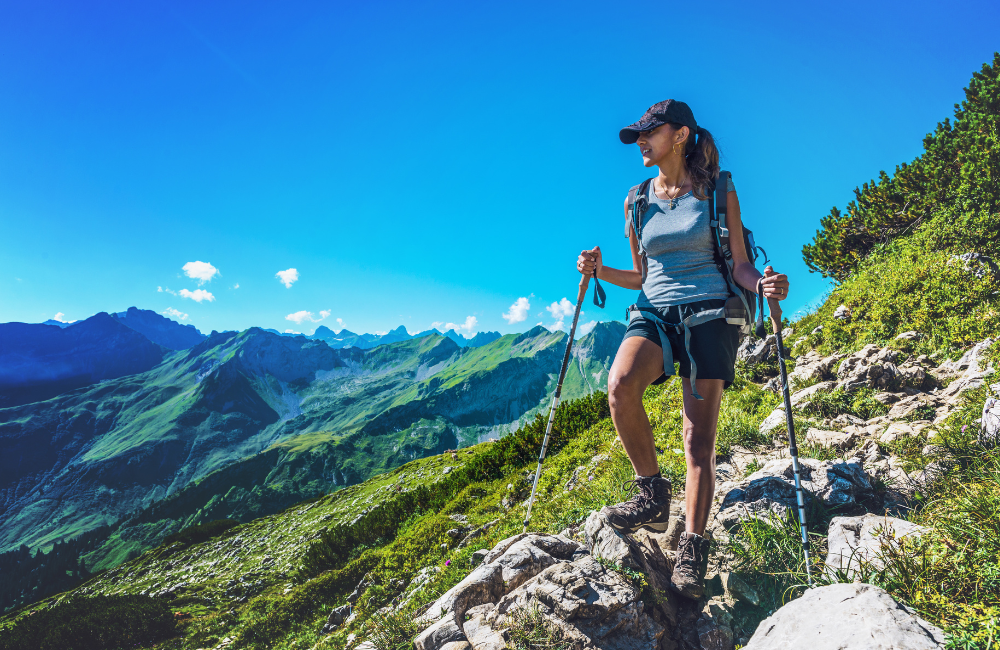
1. Rise & Shield: Best for high-altitude trekking
Rise & Shield specialises in adventure travel insurance, including cover for high-altitude trekking.
With its Adventure Extreme add-on, policies can cover trekking and hiking up to 6,500 metres. This is high enough for many of the world’s most popular high-altitude routes, including:
- Everest Base Camp
- Kilimanjaro
- Mera Peak
- Island Peak
- The Annapurna Circuit
- The Manaslu Circuit
- The Huayhuash Circuit
The cover can include emergency medical treatment for altitude-related illness and medically necessary helicopter evacuation, subject to pre-authorisation and the policy terms.
That final point matters. Helicopter evacuation is generally not a taxi service with rotors. It must usually be medically necessary and approved by the emergency assistance team.
Rise & Shield also offers lower activity levels for less extreme trips. Adventure Plus includes trekking up to 4,600 metres, while Adventure Extreme extends this to 6,500 metres.
Rise & Shield may suit you if:
- You are trekking above 4,000 metres.
- You are visiting a remote mountain region.
- Your tour company requires helicopter evacuation cover.
- You plan to combine trekking with other adventure activities.
- You need single-trip or annual multi-trip insurance.
- You want a policy designed specifically for active travel.
Watch out for: You must add the correct activity pack. Check your route’s highest sleeping altitude and highest point, as these are not always the same.
For more detail, read my guides to travel insurance for trekking in Nepal and the general trekking insurance requirements.
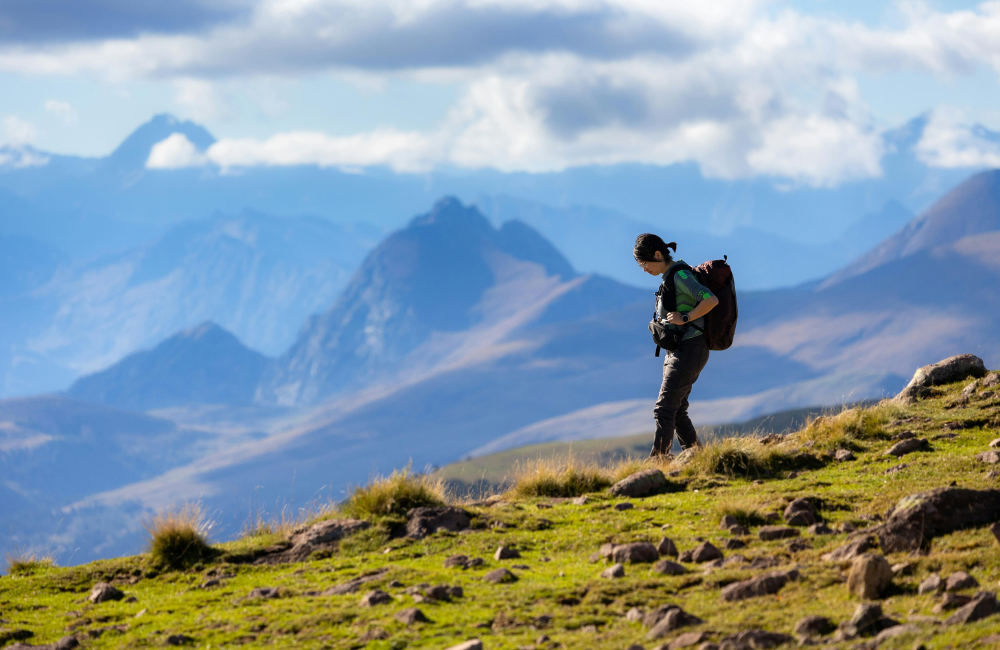
2. Campbell Irvine Direct: Best for guided trekking up to 7,000m
Campbell Irvine Direct is another specialist option for UK-based trekkers.
Its Open World policy automatically includes recreational guided trekking on recognised routes up to a maximum altitude of 7,000 metres.
That makes it worth investigating for very high-altitude routes that may exceed the limits of other trekking policies.
Emergency helicopter evacuation can also be covered where it is medically necessary and authorised by the insurer’s 24-hour emergency assistance service.
Campbell Irvine Direct may suit you if:
- You permanently live in the UK.
- You are joining an organised, guided trek.
- Your route follows a recognised trekking itinerary.
- Your trek exceeds 6,000 metres.
- You need medical evacuation and repatriation cover.
Watch out for: The policy is limited to permanent UK residents. The 7,000-metre cover relates to recreational guided trekking on recognised routes; it does not mean every form of mountaineering or climbing is automatically covered. A separate excess can also apply to helicopter evacuations in Nepal.
This may be relevant for very high routes or trekking peaks. For comparison, Kala Patthar reaches approximately 5,645 metres, while many trekking peaks exceed 6,000 metres.
3. True Traveller: Best for backpackers and people already travelling
True Traveller offers travel insurance designed for backpackers, gap-year travellers and longer independent trips.
Its trekking cover is divided into activity packs:
- Trekking up to 3,000 metres is included within its standard activity cover.
- The Adventure Pack extends trekking cover up to 4,600 metres.
- Higher activity packs are available for trekking above 4,600 metres.
- Mountaineering requires the appropriate higher-level pack.
Policies include medical and repatriation cover, while medically necessary helicopter rescue can be included where authorised by the emergency assistance service.
True Traveller also allows eligible travellers to buy insurance after leaving home. This can be useful if an existing policy expires during a long trip or your travel plans change.
True Traveller may suit you if:
- You are backpacking through several countries.
- You have already started travelling.
- You may need to extend your policy.
- You want to add cover according to your activities.
- You are combining trekking with diving, kayaking or other sports.
- You are taking a working holiday or gap year.
Watch out for: Higher-altitude trekking and mountaineering are treated differently. Check whether your route involves ropes, crampons, ice axes, fixed lines or technical climbing.
This distinction matters on routes such as Island Peak, which may be sold as a trekking peak but still involves equipment and skills beyond ordinary hiking.
4. Snowcard: Best for mountaineering and technical mountain sports
Snowcard has specialised in activity and mountain-sports insurance since 1990.
Its policies are designed for activities that conventional holiday insurance often avoids, including:
- High-altitude trekking
- Mountaineering
- Rock climbing
- Alpine climbing
- Off-piste skiing
- Mountain biking
- Search and rescue
Emergency medical expenses and search-and-rescue cover are included across its policies, although limits and activity levels depend on the cover selected.
Snowcard is particularly relevant when the trip moves beyond walking and into technical mountain terrain. For example, climbing a glaciated peak using ropes and crampons presents different risks from following a non-technical trekking trail.
Snowcard may suit you if:
- Your trip includes mountaineering or climbing.
- You need mountain search-and-rescue cover.
- You will be using technical equipment.
- You are climbing in the European Alps.
- You are combining trekking with winter sports.
- A basic adventure policy does not cover your route.
Watch out for: Select the activity level carefully. “Trekking”, “mountaineering” and “climbing” are not interchangeable insurance terms.
Snowcard is worth comparing for expeditions such as Aconcagua, particularly where the itinerary includes technical routes rather than the standard Normal Route.
I cover more options in my separate guide to Aconcagua travel insurance.
5. World Nomads: Best for trips involving several activities
World Nomads is a well-known travel insurance provider for backpackers and adventure travellers.
Depending on your country of residence and selected plan, cover is available for more than 150 activities. These can include hiking, trekking, cycling, kayaking, scuba diving, skiing and rock climbing.
For some customers, trekking cover may be available up to 6,000 metres. However, the precise altitude limits, activity levels and exclusions differ between policies and countries.
This makes World Nomads useful for varied trips. You might spend a week trekking, followed by rafting, mountain biking and scuba diving elsewhere on the same itinerary.
World Nomads may suit you if:
- Your holiday includes several different activities.
- You are visiting more than one country.
- You want to buy or extend cover while abroad.
- You need cover for baggage and electronic equipment.
- You are taking a backpacking or gap-year trip.
- You want access to 24-hour emergency assistance.
Watch out for: Do not rely on the general claim that hiking is covered. You must select the correct activity level for the altitude and type of trek you are undertaking. Free mountaineering, exploratory expeditions and high-altitude climbing may be excluded.
World Nomads may work well for routes such as the Classic Inca Trail, which reaches approximately 4,200 metres but does not normally involve technical climbing.
6. OGSure: Best for older travellers without pre-existing medical conditions
OGSure provides travel insurance aimed at older travellers and multi-generational families.
Eligible single-trip cover is available up to age 84, while annual multi-trip cover may be available up to age 79. Optional adventure sports and winter sports cover may also be available.
OGSure may be worth considering for older travellers planning ordinary walking holidays, guided lower-altitude treks or active trips where age limits make some mainstream policies difficult to obtain.
However, it is not automatically the right choice for a high-altitude expedition. You still need to confirm that your exact activity, altitude and route are included.
Most importantly, OGSure excludes claims arising directly or indirectly from pre-existing medical conditions.
OGSure may suit you if:
- You are aged between 65 and 84.
- You are planning a walking or active holiday.
- You want single-trip cover.
- You are under 80 and want annual multi-trip cover.
- You do not need cover for pre-existing medical conditions.
- You are travelling with younger family members.
Watch out for: Pre-existing medical conditions are excluded. Check the activity and altitude limits carefully before relying on the policy for a mountain trek.
Older trekkers should also consider whether the route realistically suits their health, experience and acclimatisation schedule.
Some of the easier treks in Nepal remain physically demanding despite their cheerful label.
7. AllClear: Best for older travellers with medical conditions
AllClear specialises in travel insurance for older travellers and people with pre-existing medical conditions.
Its policies have no upper age limit, and medical conditions can be considered through the screening process.
This gives older hikers an alternative when a policy such as OGSure is unsuitable because claims connected to their medical history would be excluded.
You will need to provide accurate information about your diagnoses, medication, investigations and recent treatment. The insurer will then confirm whether cover can be offered and on what terms.
AllClear may suit you if:
- You have one or more medical conditions.
- You take prescribed medication.
- You are over the age limit of another provider.
- You need medical screening before travelling.
- You are planning a lower-risk walking or trekking holiday.
- You want to compare single-trip and annual cover.
Watch out for: Medical acceptance does not automatically mean that every trekking activity is covered. You must separately check the altitude, terrain and activity rules.
A policy can cover your heart condition while still excluding the mountain you intend to climb. Insurance wording enjoys this sort of plot twist.
How I selected these travel insurance companies
I assessed the providers according to the needs of hikers, trekkers and mountain travellers rather than simply looking for the cheapest quote.
The main factors I considered were:
- Maximum trekking altitude
- Hiking and mountaineering definitions
- Medical expenses abroad
- Helicopter evacuation
- Mountain search and rescue
- Emergency repatriation
- Pre-existing medical condition rules
- Age limits
- Maximum trip duration
- Cover after departure
- Backpacking and multi-country travel
- Country-of-residence restrictions
- Access to 24-hour emergency assistance
I have not awarded numerical scores because travel insurance is personal. The best policy for a healthy 28-year-old climbing Kilimanjaro may be completely wrong for a 72-year-old walking the Tour du Mont Blanc.
What should trekking travel insurance cover?
A good trekking policy should match the exact risks of your trip.
The maximum altitude
Check the highest point reached during the itinerary.
Do not only check the altitude of your accommodation. Many trekking days cross high passes before descending to a lower sleeping altitude.
For example:
- The Classic Inca Trail reaches approximately 4,200m.
- Everest Base Camp sits at approximately 5,364m.
- Kala Patthar reaches approximately 5,645m.
- Kilimanjaro reaches 5,895m.
- Island Peak reaches 6,189m.
- Aconcagua reaches 6,961m.
Your policy limit must cover the highest altitude you will reach, not merely the name of the trip.
Your exact activity
Insurers may treat the following as separate activities:
- Recreational walking
- Hiking
- Trekking
- High-altitude trekking
- Scrambling
- Rock climbing
- Mountaineering
- Expedition climbing
- Trekking peaks
Ask the insurer when the wording is unclear. A local tour company calling something a “trek” does not force an insurance company to use the same definition.
Emergency evacuation
Medical evacuation is one of the most important benefits for remote trekking.
Check whether the policy covers:
- Helicopter evacuation
- Air ambulance
- Ground evacuation
- Stretcher evacuation
- Search and rescue
- Repatriation to your country of residence
- Transport to the nearest suitable medical facility
Most insurers require evacuation to be medically necessary and authorised by their emergency assistance team.
Altitude sickness
Your policy should not exclude claims simply because they are related to altitude.
Learn how to recognise and reduce the risks in my guide to altitude sickness and acclimatisation.
Insurance is useful when something goes wrong. It is not a substitute for a sensible ascent profile, rest days and the willingness to turn around.
Trip cancellation
Your cancellation limit should cover the non-refundable value of:
- International flights
- Domestic flights
- Trekking permits
- Guide fees
- Accommodation
- Transfers
- Equipment hire
- Tour deposits
High-altitude expeditions are often booked months in advance, so cancellation cover can be nearly as important as medical cover.
Trip duration
Check both the policy dates and the maximum duration allowed for each trip.
Annual multi-trip policies frequently limit individual trips to 30, 45, 60 or 90 days. A twelve-month policy does not necessarily cover one continuous twelve-month adventure.
Your medical history
Answer every medical question accurately.
UK government guidance recommends declaring existing medical conditions, pending treatment and ongoing investigations. Failing to provide information requested by the insurer can affect whether a later claim is paid.
Travellers with diabetes, heart conditions, respiratory conditions or other ongoing health issues should pay particular attention to medical exclusions and medication requirements.
Trekking insurance checklist
Before buying a policy, confirm all ten of these points:
- The policy covers your country of residence.
- Every destination and transit country is included.
- The maximum altitude is high enough.
- Your exact activity is covered.
- Your guide or tour operator meets any policy requirements.
- Emergency medical treatment is included.
- Helicopter evacuation or search and rescue is included where needed.
- All requested medical information has been disclosed.
- The cancellation limit covers your prepaid trip costs.
- The policy covers the full duration of the journey.
Save the emergency assistance number and your policy certificate on your phone. I also recommend giving a copy to your trekking companion and guide.
UK travellers should check the latest FCDO foreign travel advice for every country on their itinerary. Travelling against government advice can invalidate some policies.
Which trekking insurance company should I choose?
My overall choice for high-altitude trekking is Rise & Shield, particularly for non-technical routes up to 6,500 metres.
However, another provider may fit you better:
- Choose Campbell Irvine Direct for guided trekking on recognised routes up to 7,000 metres.
- Choose True Traveller for backpacking, long trips or cover after departure.
- Choose Snowcard for mountaineering, climbing or technical mountain sports.
- Choose World Nomads for a varied, multi-activity adventure.
- Consider OGSure if you are an older traveller without pre-existing medical conditions.
- Compare AllClear if you need medical screening or have struggled with age limits.
Whichever provider you choose, read the activity wording rather than relying on the policy name.
“Adventure travel insurance” sounds reassuring. Unfortunately, mountains have never shown much respect for marketing departments.
Frequently asked questions
Does standard travel insurance cover trekking?
Standard travel insurance may cover ordinary walking and lower-altitude hiking.
High-altitude trekking, mountaineering, climbing and hiking in remote areas often require a specialist policy or activity add-on.
What altitude should trekking insurance cover?
Your policy must cover the highest point you will reach during the trip.
For Nepal, Kilimanjaro and other high-altitude destinations, this will often be between 4,000 and 6,500 metres. Some expeditions require even higher limits.
Does travel insurance cover helicopter rescue?
Some trekking policies, like those from Rise & Shield, cover medically necessary helicopter evacuation.
The insurer’s emergency assistance team will normally need to authorise the evacuation. Self-arranged or non-medical helicopter flights may not be covered.
Does trekking insurance cover altitude sickness?
Some specialist policies cover emergency treatment and evacuation resulting from altitude sickness.
Check the exclusions carefully. The policy must also cover the altitude at which the illness occurs.
Is Everest Base Camp classed as trekking or mountaineering?
The standard Everest Base Camp route is generally treated as non-technical trekking.
However, extensions involving Island Peak, Mera Peak or other summits may fall under different activity definitions. See my full guide to Everest Base Camp travel insurance.
When should I buy trekking travel insurance?
Buy travel insurance as soon as possible after booking your trip.
Cancellation cover normally starts when the policy begins. Waiting until just before departure leaves the earlier period uninsured.
Can older travellers get trekking insurance?
Yes, although age limits vary considerably.
OGSure may be suitable for eligible travellers up to age 84 who do not require pre-existing medical condition cover. AllClear has no upper age limit and specialises in medical screening.
Do I need insurance for the Tour du Mont Blanc?
Yes, travel insurance is sensible for the Tour du Mont Blanc.
Although it is not a technical climb, the route crosses high mountain passes and travels through three countries. Check that mountain rescue, medical treatment and every country on the itinerary are covered.
Important information
This guide provides general information and does not constitute personal insurance advice.
Policy benefits, activity definitions, altitude limits and eligibility rules can change. Always read the latest policy wording and insurance product information document before buying.
Contact the insurer directly when you are unsure whether your route, medical history or planned activities are covered.
