

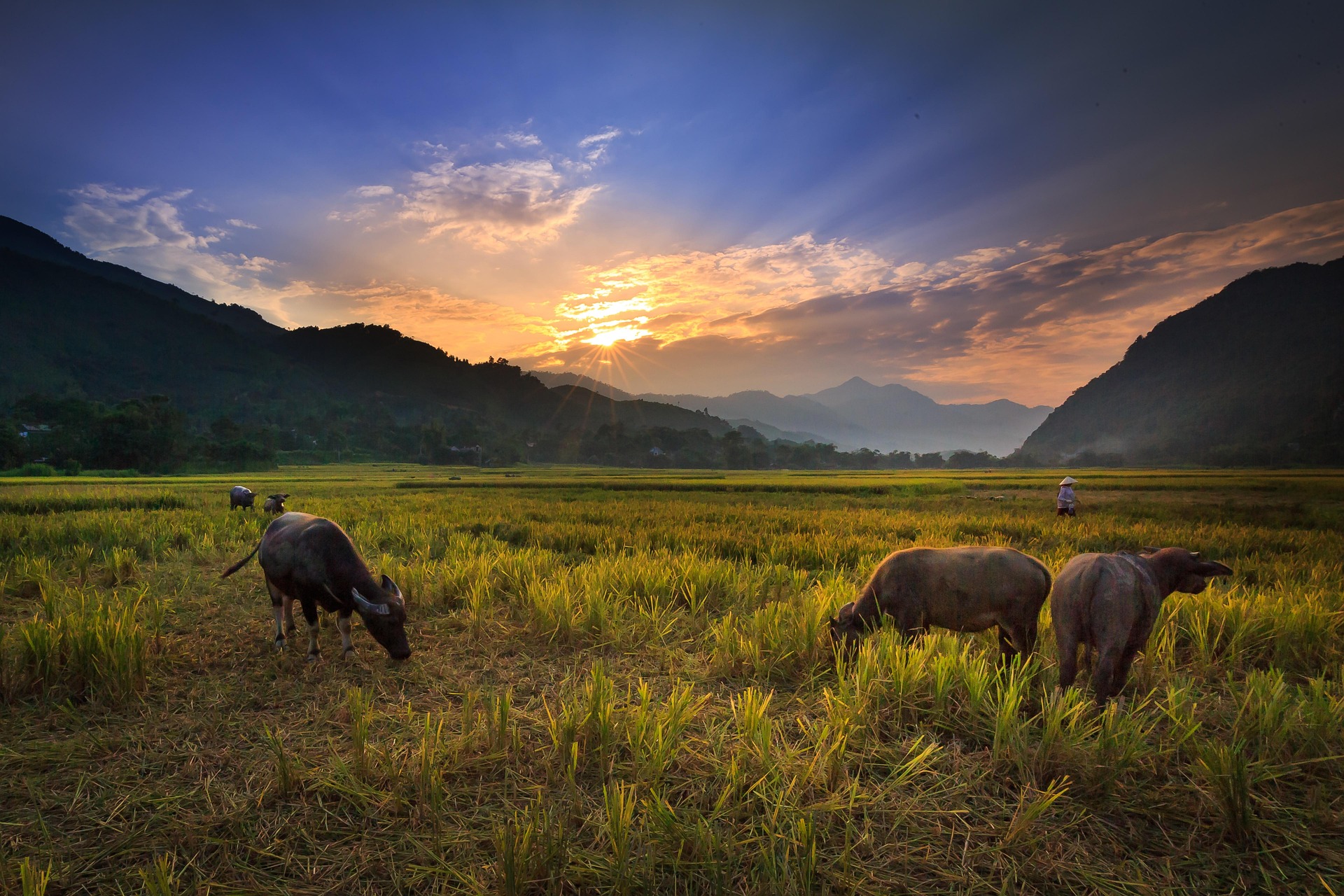
Northern Thailand feels like a different country once you leave the central plains and begin climbing into the mountains around Chiang Mai, Chiang Rai and Mae Hong Son.
Here, the landscape is shaped by forested ridges, limestone massifs, waterfalls and highland communities. While much of Thailand is associated with tropical beaches and humid cities, the north offers a quieter kind of adventure, particularly during the cool season.
From roughly November to February, lower humidity and generally drier weather make it easier to spend full days outside. Mornings can be surprisingly fresh, especially at altitude, while clearer skies often reveal layer after layer of distant mountains.
This is the season for hiking through cloud forest, watching the sunrise above a sea of mist and exploring some of the most distinctive mountain environments in Southeast Asia.
Why Visit Northern Thailand During the Cool Season?
Northern Thailand has three broad seasonal periods: a hot season, a rainy season and a cooler, drier season.
The timing varies slightly from year to year, but November through February generally offers the most comfortable conditions for hiking and other outdoor activities. Daytime temperatures remain warm in the valleys, yet the mountains can be considerably colder, particularly before sunrise.
January is one of the most popular months for visiting the region. The Tourism Authority of Thailand highlights Chiang Mai, Chiang Rai and Mae Hong Son as particularly suitable for hiking and camping at this time of year.
There are several reasons the season works so well for active travellers:
- Humidity is usually lower than during the rainy season.
- Trails are less likely to be waterlogged.
- Cooler temperatures make sustained climbs more manageable.
- Mountain viewpoints often have better visibility.
- Conditions are more comfortable for cycling, camping and other daytime activities.
That does not mean every day will be clear or dry. Conditions can change quickly in mountainous terrain, and temperatures at higher elevations may fall much lower than visitors expect.
Pack for sunshine, wind, mist and cold mornings rather than assuming northern Thailand will always feel tropical.
Doi Inthanon: Thailand’s Highest Mountain
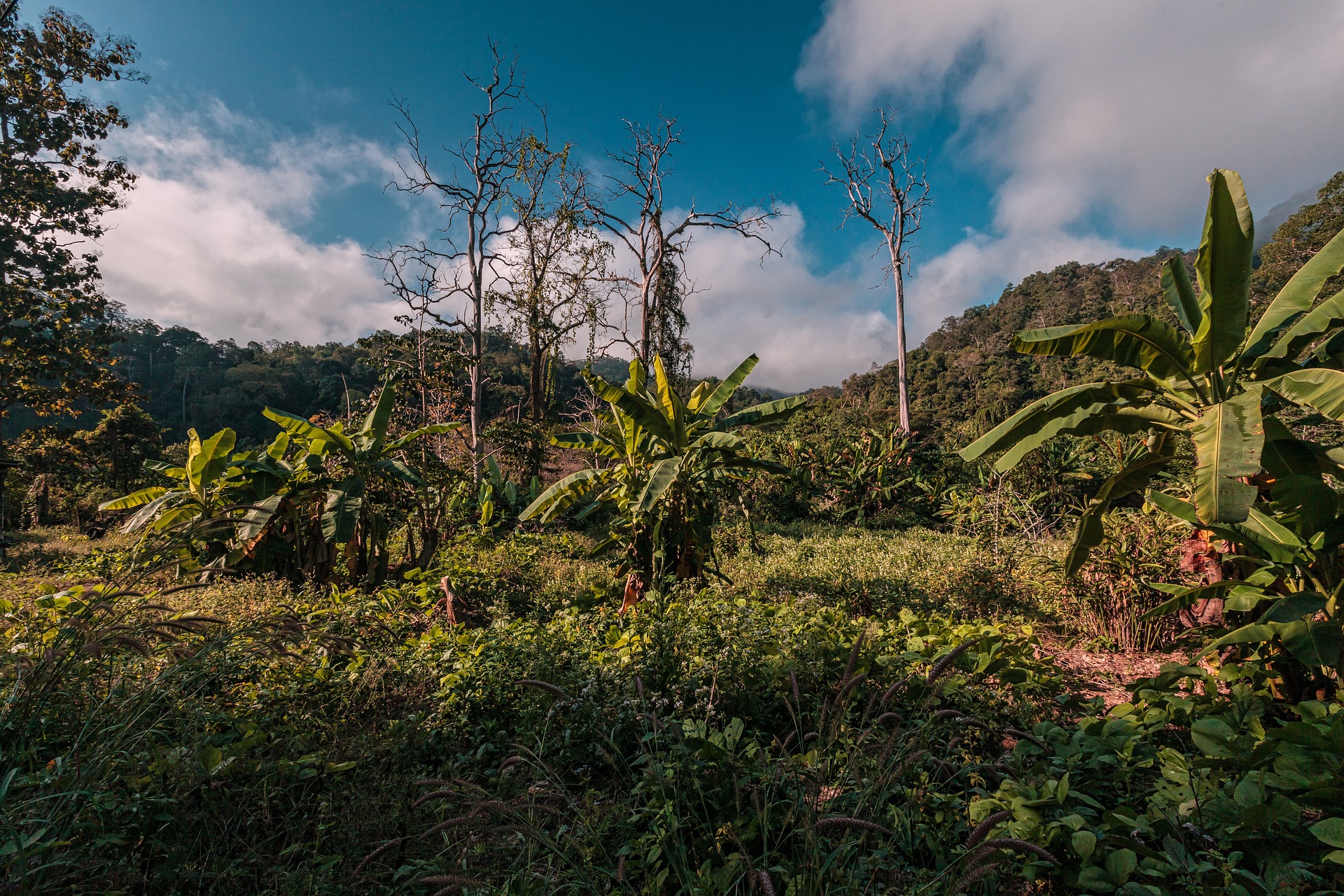
Rising to 2,565 metres, Doi Inthanon is the highest point in Thailand and one of the most accessible introductions to the northern highlands.
The mountain lies within Doi Inthanon National Park, approximately two hours from Chiang Mai. A road leads close to the summit, but the park contains a range of walking trails, waterfalls and forest environments that make it worth more than a quick viewpoint stop.
Ang Ka Nature Trail
The Ang Ka Nature Trail is a short boardwalk through a cool, damp cloud forest near the summit. Mosses, ferns and lichens cover the trees, creating an environment that feels far removed from the warmer valleys below.
It is not a demanding hike, but it provides an excellent introduction to Doi Inthanon’s unusual high-altitude ecosystem. It is also a good option for families, casual walkers or anyone combining several activities in one day.
Kew Mae Pan Nature Trail
For a more substantial walk, the Kew Mae Pan Nature Trail follows a mountain ridge through forest and open grassland. On a clear morning, the route offers extensive views across the surrounding peaks and valleys.
The trail is generally walked with a local guide, and seasonal closures may apply to protect the environment during the wetter months. Access arrangements can change, so check the latest national park information before travelling.
Doi Inthanon is often busiest around sunrise and during public holidays. Starting early can help you enjoy the trails before the largest groups arrive, although you will need warm clothing if visiting the summit at dawn.
Doi Chiang Dao: A Wilder Mountain Experience
Around 70 kilometres north of Chiang Mai, the limestone bulk of Doi Chiang Dao rises dramatically above the surrounding countryside.
This is a more serious trekking destination than Doi Inthanon. The route towards the summit involves sustained hiking, basic camping facilities and regulated access designed to protect a sensitive mountain environment.
Doi Chiang Dao forms the heart of the UNESCO Doi Chiang Dao Biosphere Reserve. The reserve contains evergreen forest, deciduous woodland, wetlands, limestone caves and Thailand’s only substantial area of subalpine vegetation.
Its ecological importance also means visitors cannot simply arrive and begin walking wherever they please. Depending on current rules, trekking may require advance registration, an approved guide, an orientation session and adherence to strict group sizes and waste-management requirements.
The main overnight trek typically involves climbing to a designated camping area before making an early start for the upper viewpoints. Sunsets, stars and morning mist are central to the experience, but the mountain deserves respect. Loose ground, steep sections and limited facilities make preparation essential.
Those who do not have time for the summit trek can still enjoy the Chiang Dao area. Shorter forest walks, cave visits, birdwatching and views of the limestone massif provide plenty of reasons to spend a night or two outside Chiang Mai.
Doi Suthep-Pui: Mountain Trails Close to Chiang Mai
You do not need to travel far from Chiang Mai to reach the mountains.
Doi Suthep rises immediately west of the city and forms part of Doi Suthep-Pui National Park. Most visitors know it for Wat Phra That Doi Suthep, the prominent temple overlooking Chiang Mai, but the surrounding national park contains forest trails, waterfalls and quieter viewpoints.
One of the best-known approaches follows the Monk’s Trail from the lower slopes towards Wat Pha Lat and, for those continuing farther, Doi Suthep temple. The forested route provides a satisfying half-day walk without requiring an overnight stay or complicated logistics.
The lower section to Wat Pha Lat is relatively approachable, although exposed roots, stones and occasional muddy patches still call for suitable footwear. The continuation towards the main temple becomes steeper and more strenuous.
Doi Suthep-Pui works particularly well at the start of a northern Thailand trip. It gives you a chance to assess the heat, terrain and your own fitness before committing to longer days elsewhere.
Mae Kampong and the Eastern Highlands
East of Chiang Mai, the village of Mae Kampong sits among forested hills, tea gardens and coffee plantations.
The area is better suited to gentle exploration than major summit trekking, making it a useful contrast to Doi Chiang Dao or Doi Inthanon. Visitors can follow local paths, walk to waterfalls and explore the slopes surrounding the village.
Mae Kampong is also an example of how tourism and everyday highland life overlap in northern Thailand. These are not empty wilderness areas. Farms, villages, temples and community forests form part of the same landscape.
Choose locally run guides and accommodation where possible, ask permission before photographing residents and avoid treating working villages as outdoor theme parks. Travelling thoughtfully makes for a better experience and helps direct more of the economic benefit towards the communities hosting visitors.
Chiang Rai, Phu Chi Fa and the Far North
Chiang Rai province offers another base for cool-season mountain travel.
One of its most famous viewpoints is Phu Chi Fa, a ridge near the border with Laos. Visitors commonly arrive before dawn and walk uphill to watch the sun rise above the valleys and surrounding peaks.
The final walk is relatively short, but darkness, uneven ground and cold early-morning conditions mean a torch and extra layer are sensible. Mist can obscure the view completely, so build some flexibility into your plans rather than treating a sunrise as guaranteed.
The wider province contains tea-growing hills, forested roads, waterfalls and quieter rural areas. Hiring a local guide can help you move beyond the best-known viewpoint and find walks suited to your fitness and available time.
Outdoor Adventures Beyond Hiking
Hiking may be the most obvious way to explore northern Thailand’s mountains, but it is not the only option.
Mountain biking and road cycling are popular around Chiang Mai, although steep gradients, traffic and midday heat can make routes more demanding than their distances suggest. Riders should choose roads carefully and avoid assuming that every rural route will be quiet.
Kayaking and rafting trips operate on several northern rivers, with conditions varying substantially according to rainfall and season. During the drier cool-season months, some stretches may be calmer or have lower water levels than they do during or shortly after the monsoon.
Climbing, caving and trail running are also available in parts of the region. For technical activities, use an experienced local operator and confirm what safety equipment, qualifications and insurance are included.
Not every outdoor day has to involve climbing a mountain. Several golf courses around Chiang Mai occupy foothill settings or look towards the surrounding ranges. Golfers planning an active rest day can use Sawadee Golf to research northern Thailand’s courses and compare playing conditions.
The advantage of a varied itinerary is that it allows tired legs to recover without spending the day indoors.
What to Pack for Cool-Season Hiking
The word “cool” is relative. Chiang Mai may still be warm during the afternoon, while the summit of Doi Inthanon can feel genuinely cold before sunrise.
Layering is therefore more useful than carrying one bulky jacket. A typical day may begin in a fleece or insulated layer, warm quickly once you start walking and become chilly again when you stop at an exposed viewpoint.
Useful items include:
- Comfortable hiking shoes or boots with reliable grip
- A breathable base layer
- A lightweight fleece
- A windproof or waterproof outer layer
- Sun protection, including a hat and high-factor sunscreen
- At least one reusable water bottle
- A head torch for sunrise starts
- A compact first-aid kit
- Offline maps or a downloaded route
- A power bank
- Insect repellent
Mountain IQ’s multi-day hiking gear list provides a more detailed starting point for longer routes.
Footwear requirements will depend on the trail. Light shoes may be sufficient for short boardwalks, while steeper, rockier routes benefit from greater grip and ankle support. Our guide to the best hiking boots explains the main features to consider.
For day walks, a small pack should be large enough for water, food, spare layers and emergency items without becoming cumbersome. See our comparison of the best hiking daypacks for suitable options.
Trekking poles are not essential on every route, but they can provide additional stability on loose or steep descents. Our trekking pole guide covers the differences between lightweight, folding and telescopic designs.
Even on popular trails, carry basic emergency supplies. This hiking survival kit checklist covers the essentials we recommend taking beyond the pavement.
Permits, Guides and Trail Access
Trail access in northern Thailand is not always straightforward.
Some nature trails close during the rainy season to prevent erosion and allow ecosystems to recover. Protected summit routes may have daily visitor limits, mandatory guides, advance booking requirements or fixed opening periods.
Do not rely entirely on old blog posts or social media reports. Check with the relevant national park, wildlife sanctuary or local tourism office shortly before your visit.
A guide is particularly worthwhile when:
- Access is regulated.
- The trail is poorly marked.
- You are entering a wildlife sanctuary.
- The route involves an overnight camp.
- You are visiting a remote community.
- You are unfamiliar with tropical mountain conditions.
A knowledgeable local guide can also add context that a GPS track cannot provide, from identifying plants and birds to explaining local customs and conservation rules.
Responsible Trekking in Northern Thailand
Northern Thailand’s mountains support sensitive habitats as well as farming and village communities.
Stay on established paths, carry out everything you bring in and never remove plants, rocks or other natural material. Avoid feeding wildlife and keep noise to a minimum, particularly around dawn when birds and mammals are most active.
Water bottles and snack wrappers are obvious forms of litter, but food waste also causes problems. Fruit peel and leftovers may take time to decompose, attract animals or introduce non-native seeds.
Where guides, porters or community hosts are involved, choose providers that explain their environmental practices clearly and employ local people on fair terms.
Doi Chiang Dao demonstrates why these rules matter. UNESCO describes a landscape containing more than 2,000 plant species, multiple forest types and habitats extending from lowland valleys to a unique subalpine zone. Protecting that diversity requires more than simply declaring an area scenic.
A Suggested Five-Day Active Itinerary
A short trip can combine several different types of northern Thailand adventure.
Day 1: Doi Suthep-Pui
Begin with the Monk’s Trail and spend the afternoon exploring Chiang Mai. This provides a manageable first hike while allowing time to adjust to the climate.
Day 2: Doi Inthanon
Leave early for Doi Inthanon National Park. Combine a nature trail with waterfalls and high-altitude viewpoints.
Day 3: Rest or Alternative Activity
Take a gentler day for cycling, golf, a village visit or exploring Chiang Mai on foot.
Days 4 and 5: Chiang Dao
Travel north for a regulated overnight trek where access and fitness allow. Alternatively, stay near the base of the mountain and combine shorter walks with birdwatching, caves and local food.
Travellers with more time could continue to Chiang Rai, Mae Hong Son or the smaller mountain communities spread across the north.
Final Thoughts
Northern Thailand’s cool season brings together many of the conditions hikers value most: manageable temperatures, comparatively dry trails, expansive mountain views and a wide choice of routes.
The region is also unusually flexible. You can walk through cloud forest on Thailand’s highest mountain, tackle an overnight trek in a UNESCO biosphere reserve or spend a relaxed morning following forest paths just outside Chiang Mai.
The best itineraries mix ambition with variety. Build in a slower day, check permits and trail conditions in advance, and carry more warm clothing than the word “Thailand” might initially suggest.
Do that, and the northern mountains offer far more than a break from the country’s beaches and cities. They reveal a completely different side of Thailand—one shaped by limestone peaks, highland forests, cool morning air and some of the country’s most rewarding outdoor adventures.
