

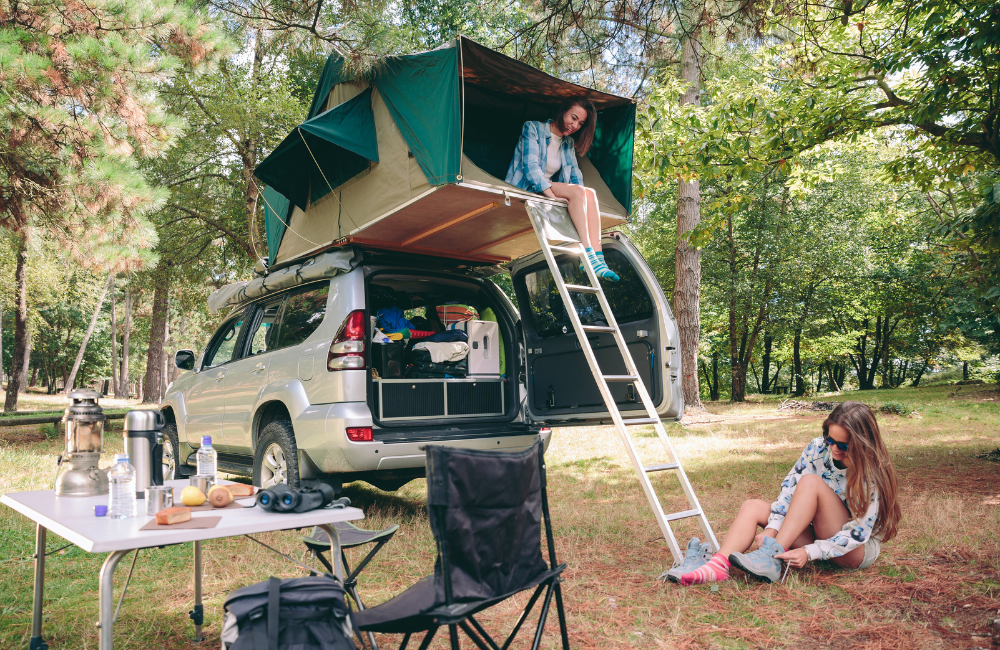
Some of the most memorable hiking adventures begin long before you set foot on the trail.
They start on winding mountain roads, dusty forest tracks and remote access routes that take you away from busy tourist destinations and into the wilderness.
For hikers and campers who enjoy exploring less accessible places, a capable 4x4 can open up a whole new world of possibilities. From isolated mountain campsites to remote trailheads, travelling beyond the paved road can be an adventure in itself.
However, heading into remote areas requires more preparation than a typical weekend camping trip. Road conditions can be unpredictable, mobile reception is often limited, and even relatively short journeys can become challenging when the weather changes.
Whether you’re planning your first vehicle-supported hiking trip or looking to venture further into the backcountry, here’s how to prepare for a safe and rewarding adventure.
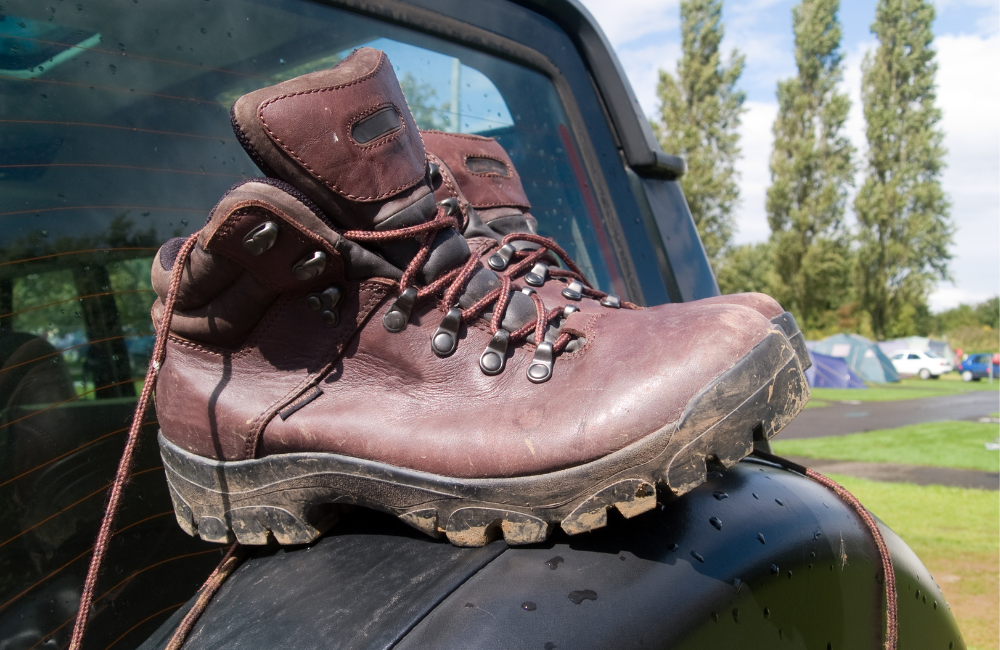
1. Choose Your Destination and Research the Access Routes
Every great outdoor adventure starts with choosing the right destination.
While popular national parks often have well-maintained roads leading to their main trailheads, more remote hiking areas may require travelling along gravel roads, forest tracks or rough mountain routes.
The appeal is obvious. Exploring these areas can mean quieter hiking trails, beautiful wilderness campsites and opportunities to experience landscapes that many visitors never reach.
But accessibility varies considerably, and not every remote trailhead requires a 4x4.
Before setting off, research the access route as carefully as you would the hike itself. Consider:
- Road conditions: Is the route paved, gravel, rocky or potentially muddy?
- Vehicle requirements: Is four-wheel drive recommended or required?
- Seasonal access: Could snow, heavy rainfall or flooding make the route impassable?
- Local restrictions: Are vehicle access, overnight parking and camping permitted?
- Travel time: How much additional time should you allow for slow or difficult road sections?
Remember that a road shown on a map isn’t necessarily open or suitable for your vehicle. Check current information from local park authorities or land managers, particularly when travelling outside the main tourist season.
It’s also worth having a backup destination. If conditions deteriorate, choosing an easier access route is far better than becoming stranded miles from assistance.
2. Prepare Your Vehicle for Remote Terrain
Once you’ve chosen your destination, the next step is making sure your vehicle is ready for the journey.
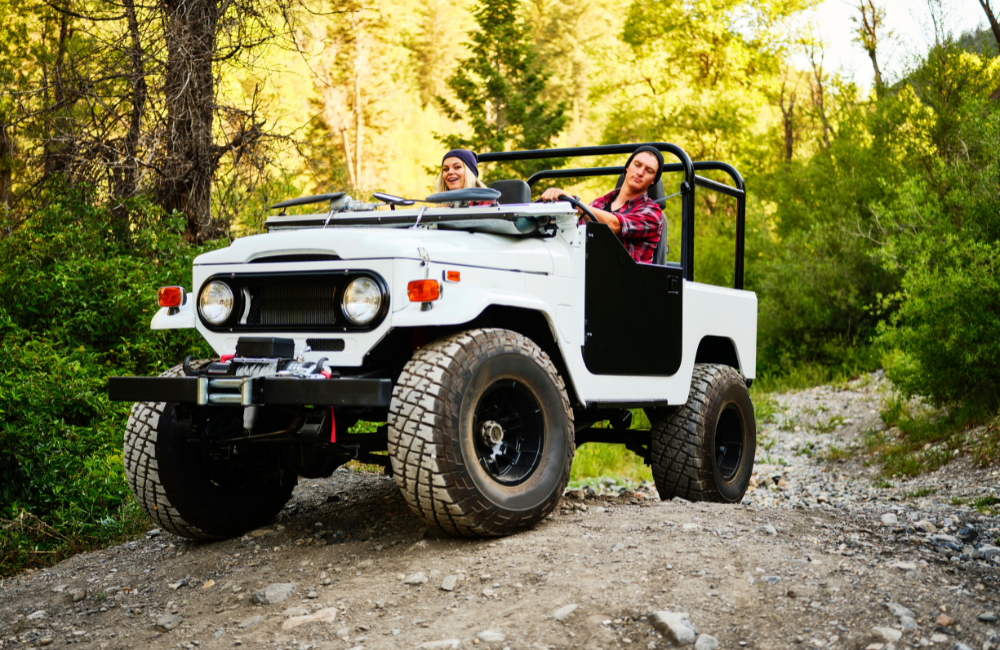
You don’t necessarily need a heavily modified off-road truck to enjoy remote hiking and camping. In many areas, a standard SUV with suitable ground clearance and appropriate tyres will be sufficient.
However, the more challenging the terrain, the more important proper vehicle preparation becomes.
Check Your Tyres and Traction
Tyres are particularly important when travelling on unpaved roads, where loose gravel, mud and uneven surfaces can reduce traction.
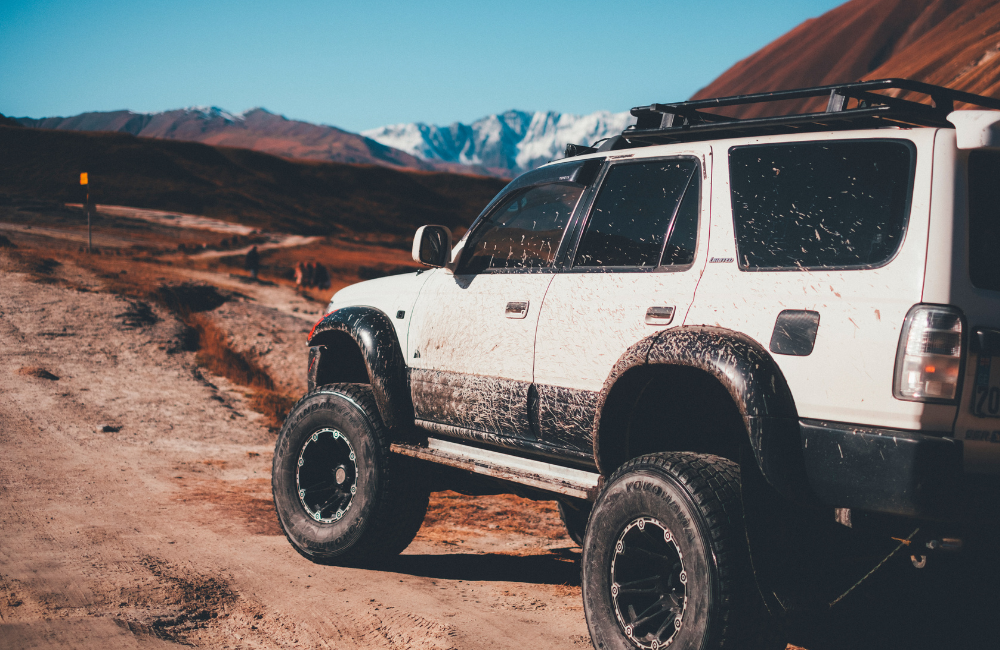
All-terrain tyres are a versatile option for drivers who regularly switch between paved roads and moderately challenging tracks. For more demanding routes involving deep mud or soft ground, specialised mud terrain tires can provide additional traction thanks to their aggressive tread patterns.
However, mud-terrain tyres aren’t necessary for most camping trips.
They can be noisier and less comfortable on paved roads, and their performance on wet tarmac varies between models. Choosing tyres should always involve balancing your intended terrain with everyday driving requirements.
Whatever tyres you use, check their condition, pressure and load rating before departure. Carry a serviceable spare and make sure you have the equipment and knowledge required to change it safely.
Carry Basic Recovery and Emergency Equipment
Remote routes are less forgiving than ordinary roads, particularly when help is several hours away.
Useful equipment includes:
- A properly equipped spare tyre and wheel-changing tools
- A tyre pressure gauge and portable air compressor
- A shovel for clearing loose dirt or mud
- Suitable recovery equipment and rated recovery points
- Jumper cables or a portable jump starter
- A basic vehicle tool kit and emergency supplies
Recovery equipment should only be used by people who understand the appropriate procedures. Attempting to recover a stuck vehicle incorrectly can be dangerous.
It’s also important to know your vehicle’s limitations. A 4x4 can provide additional traction, but it won’t eliminate the risks of deep water, unstable surfaces or steep mountain tracks.
When in doubt, turn around rather than pushing further into difficult terrain.
3. Pack for Both Hiking and Camping
One of the biggest advantages of vehicle-supported adventures is the ability to carry more equipment than you could comfortably fit into a backpack.
This makes it easier to combine several days of hiking with a comfortable campsite, particularly when exploring remote destinations.
However, it’s worth separating your equipment into two categories: what you’ll need at camp and what you’ll carry on the trail.
Hiking Essentials
Even when your vehicle is parked relatively close to the trailhead, you should prepare for each hike as an independent outdoor excursion.
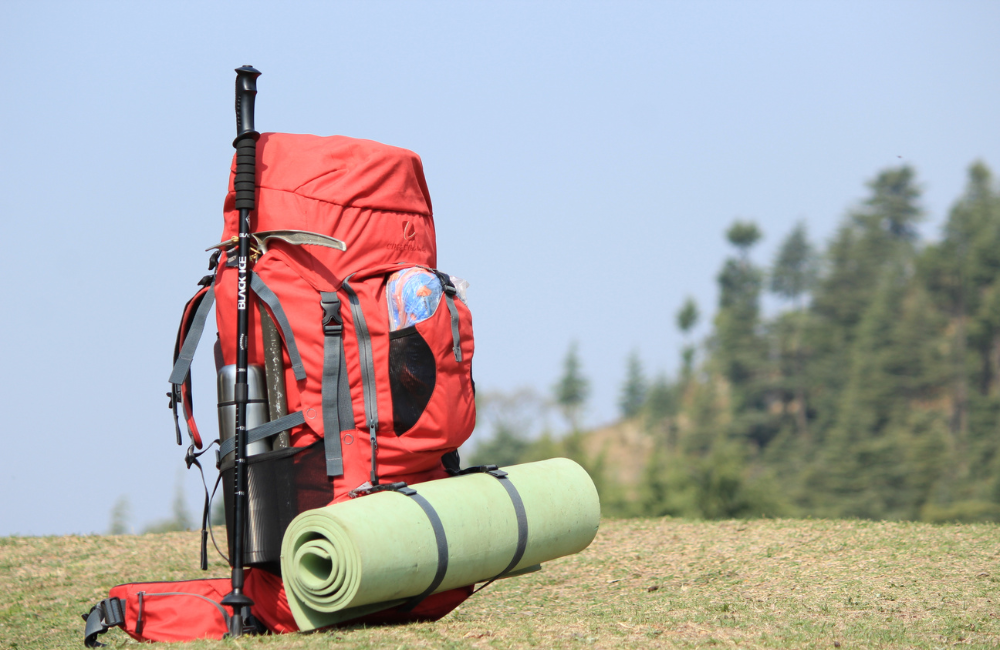
Your daypack should contain appropriate clothing, navigation equipment, sufficient food and water, and basic emergency supplies.
For a detailed breakdown, see our guide to assembling an essential hiking survival kit.
A comfortable hiking daypack will help keep your equipment organised without weighing you down unnecessarily.
Remember that mountain weather can change quickly. A sunny morning at the campsite doesn’t guarantee warm, dry conditions on an exposed ridge later in the day.
Always pack extra layers and waterproof protection, even when the forecast looks favourable.
Camping Equipment
Your camping setup will depend on the destination, season and type of vehicle you’re using.
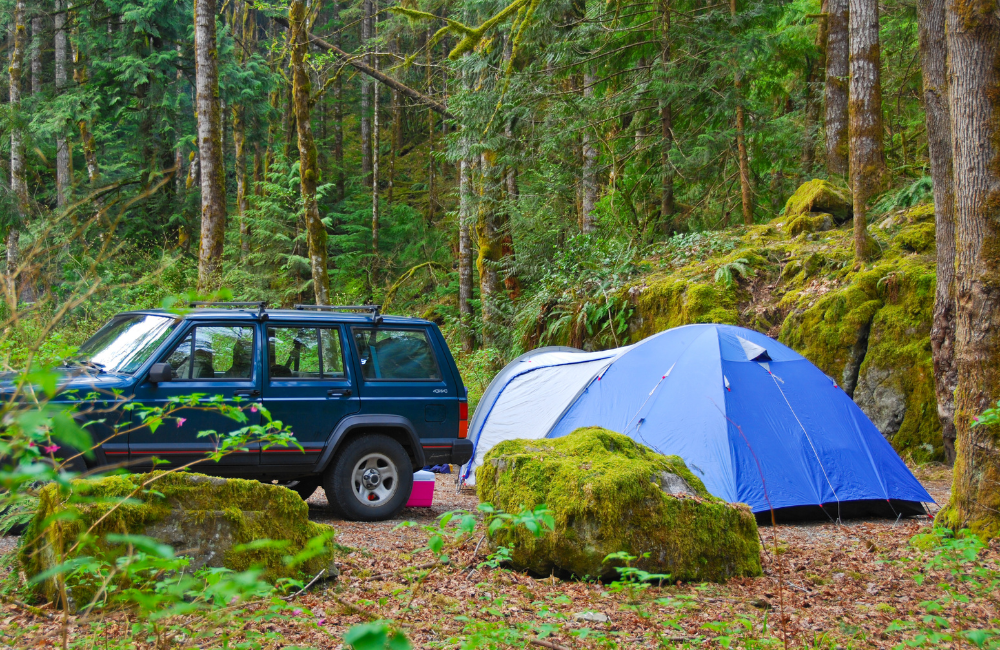
Traditional ground tents remain an excellent choice, particularly if you plan to leave your vehicle parked while exploring nearby trails.
Alternatively, vehicle-based camping options can make setting up camp more convenient.
For example, truck tents allow pickup owners to create a sleeping area in the truck bed, while rooftop tents provide another option for campers with suitably equipped vehicles.
Whatever sleeping arrangement you choose, prioritise a reliable shelter, comfortable sleeping system and equipment suited to the expected temperatures.
Other useful items include a camping stove, headlamp, folding chairs, food storage containers and a portable power bank.
Our comprehensive camping checklist is a useful starting point for making sure you’ve covered the essentials.
4. Plan Your Hiking Routes Before Leaving Home
One of the biggest mistakes on remote adventures is concentrating on the drive while leaving the hiking itinerary until the last minute.
Once you’ve reached your destination, you may have limited internet access and very little opportunity to research alternative routes.
Plan your hikes in advance, taking into account distance, elevation gain, trail difficulty and expected walking time.
Pay particular attention to the amount of daylight available. Travelling along a rough access road before sunrise or after dark can introduce additional risks, especially in unfamiliar mountainous terrain.
When choosing a trail, ask yourself a few important questions.
Can everyone in your group comfortably complete the route? Is there a shorter alternative if conditions deteriorate? Are there reliable water sources? And how will you find your way back if visibility becomes poor?
Downloading offline maps is a sensible precaution, but don’t rely entirely on your phone.
A dedicated hiking GPS device can be useful in remote areas, particularly when navigating unfamiliar trails. Carrying a paper map and compass, and knowing how to use them, adds another layer of preparedness.
Most importantly, share your intended route and expected return time with someone who isn’t joining the trip.

5. Choose a Campsite That Works as a Hiking Base
A well-chosen campsite can transform a weekend adventure.
Rather than packing up and moving every morning, consider establishing a basecamp within easy reach of several hiking routes.
This approach allows you to explore different trails during the day while returning to a familiar, comfortable location each evening.
When evaluating potential campsites, think about more than just the scenery.
Look for established camping areas with reasonably level ground, appropriate drainage and some protection from strong winds.
Avoid dry riverbeds, flood-prone areas and exposed locations where sudden weather changes could create problems.
If you’re camping near a vehicle, make sure parking is permitted and that your setup won’t obstruct tracks, access roads or other visitors.
It’s also worth considering the morning sun. A shaded forest campsite might look inviting in the afternoon, but a little sunlight can make a cold mountain morning much more comfortable.
Finally, remember that vehicle access doesn’t automatically mean camping is permitted. Always check local regulations and obtain any necessary permits.
6. Prepare for Life Without Mobile Reception
One of the attractions of wilderness travel is escaping the constant connectivity of everyday life.
However, limited phone coverage also means you need to be more self-sufficient.
Before departure, download relevant maps, weather forecasts, campsite information and emergency contact details.
Ensure your phone and navigation devices are fully charged, and carry backup power.
For particularly remote destinations, consider a satellite communication device or personal locator beacon, depending on the nature of the trip.
Water planning is equally important.
Don’t assume you’ll find a reliable freshwater source near your campsite or along your hiking route. Carry enough drinking water for your planned activities, with a reserve for unexpected delays.
If you intend to collect water from streams or lakes, bring an appropriate treatment system. Our guide to backpacking water filters explains the different options available.
You should also have a straightforward emergency plan.
Think about what you’ll do if your vehicle breaks down, a member of your group becomes injured or weather conditions prevent you from returning along your planned route.
Having a plan doesn’t make an adventure any less exciting. It simply gives you more confidence to enjoy it.
7. Explore Responsibly and Protect the Wilderness
Reaching remote places comes with an important responsibility: making sure they remain beautiful and accessible for future visitors.
Vehicle-based camping can have a significant environmental impact when drivers leave designated roads, damage fragile vegetation or establish campsites in unsuitable locations.
Even seemingly harmless shortcuts can contribute to soil erosion and habitat damage.
Always remain on legally designated vehicle routes, respect seasonal closures and avoid driving across undisturbed ground.
The same principles apply once you begin hiking.
Stay on established trails where required, dispose of waste properly and avoid disturbing wildlife.
The US National Park Service provides a useful overview of the Seven Principles of Leave No Trace, which offer practical guidance for minimising your environmental impact.
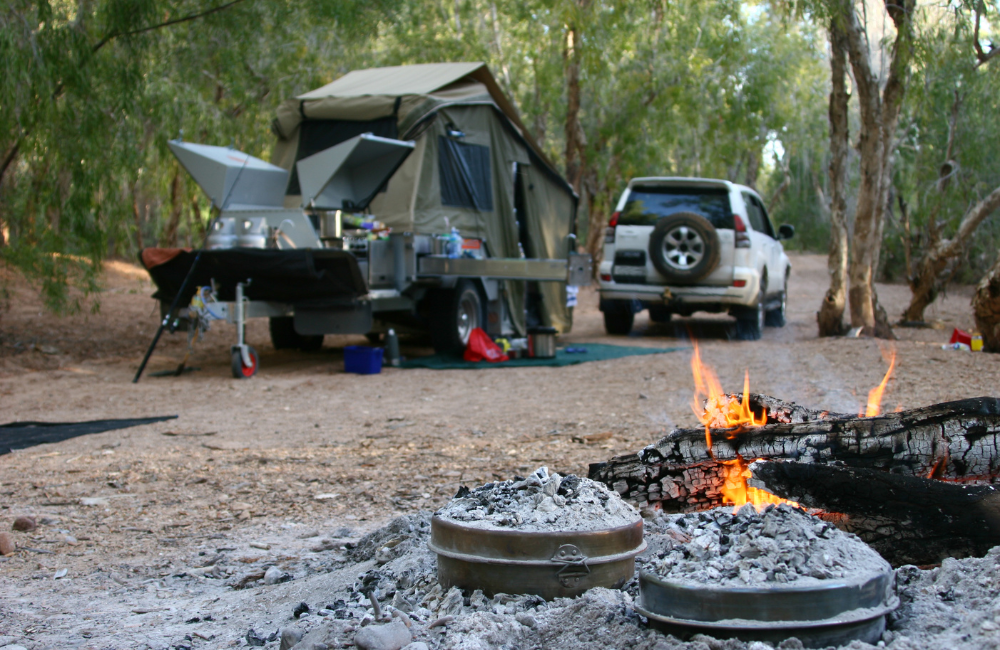
When camping, keep food properly secured, respect local fire restrictions and leave your campsite as you found it.
Remember that the purpose of exploring remote landscapes isn’t simply to reach places other people haven’t. It’s to experience nature without unnecessarily changing it.
8. Keep Your First Adventure Simple
If you’re new to combining 4x4 travel with hiking and camping, there’s no need to start with an ambitious expedition.
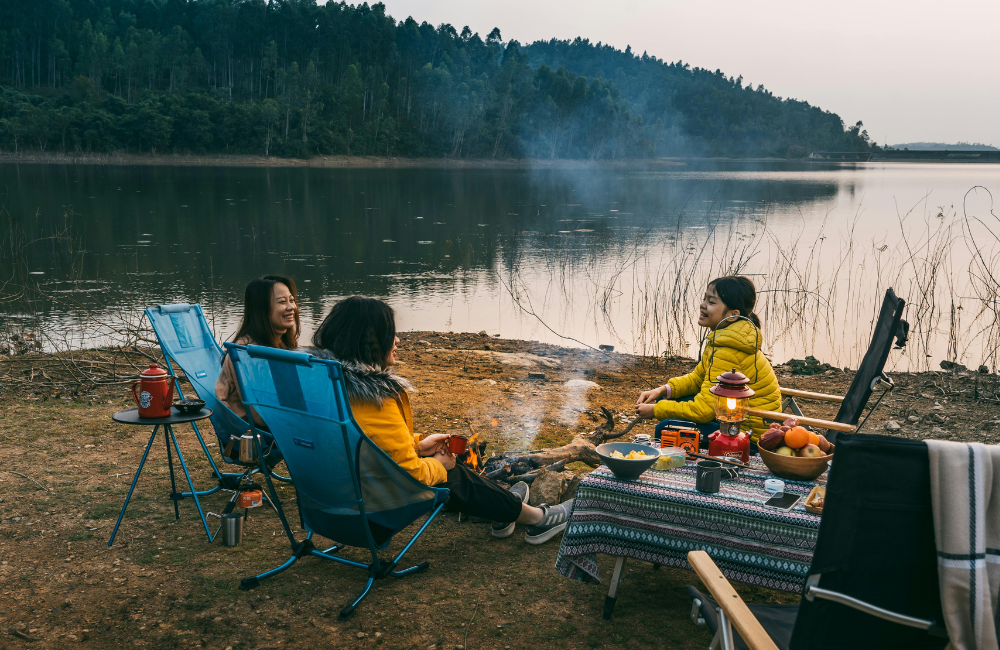
A weekend trip to an established campsite with access to a few scenic hiking routes is an excellent introduction.
Choose a destination with manageable road conditions, reliable access information and trails suited to your experience level.
Arrive with plenty of daylight remaining so you can establish camp, familiarise yourself with the surroundings and review your hiking plans.
For your first few trips, it may also be worth travelling with another vehicle or joining experienced friends who are familiar with the area.
As your confidence grows, you can gradually explore more remote destinations and longer hiking routes.
The most rewarding adventures aren’t necessarily the ones that involve the toughest driving or the greatest distances.
Sometimes, a quiet campsite beneath the mountains and a beautiful trail to explore the following morning are all you need.
Final Thoughts
Combining 4x4 travel with hiking and camping offers a wonderful way to experience the outdoors from a different perspective.
A capable vehicle can make certain remote trailheads and wilderness campsites more accessible, while a little extra planning helps you explore these places safely and comfortably.
The key is to remember what makes the experience worthwhile in the first place.
It’s not about conquering the roughest roads or testing the limits of your vehicle. It’s about the freedom to discover beautiful landscapes, spend more time outdoors and enjoy hiking adventures beyond the usual tourist routes.
Prepare carefully, respect the environment and choose destinations that match your experience.
The road might be part of the adventure, but the best memories often begin where it ends.
