
If you’ve ever seen someone strolling through Spain with a scallop shell dangling off their pack and a suspiciously peaceful look on their face, chances are they’re on the Camino de Santiago.
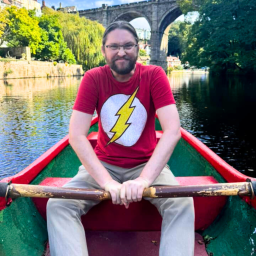
I walked it recently, and I can confirm two things:
- It’s not “just a hike”, and
- you will develop intense opinions about socks.
Before I even laced up my boots, I sorted the boring-but-essential stuff, like data.
If you’re heading out too, having an eSIM for Spain makes life wildly easier for maps, booking a bed when Plan A falls through, and sending smug “look where I am” photos to friends stuck in meetings.
So…what is the Camino, really? Let’s break it down in a way that actually helps.
Ready? Let’s roll.
What Is The Camino de Santiago, Then?
The Camino de Santiago (aka “The Way of St James”) is a network of pilgrimage routes across Spain (and beyond) that all lead to Santiago de Compostela, a city in northwest Spain.
The destination isn’t random.
Santiago is home to the cathedral that, according to tradition, holds the remains of St James the Greater, one of Jesus’s apostles.
For centuries, people have walked there for religious reasons, personal reasons, curious reasons, heartbreak reasons, “I need to reset my whole brain” reasons… and occasionally “I lost a bet” reasons (probably).
When I was out there, what struck me most wasn’t the history (though it’s everywhere). It was how the Camino feels like a moving little world of its own.
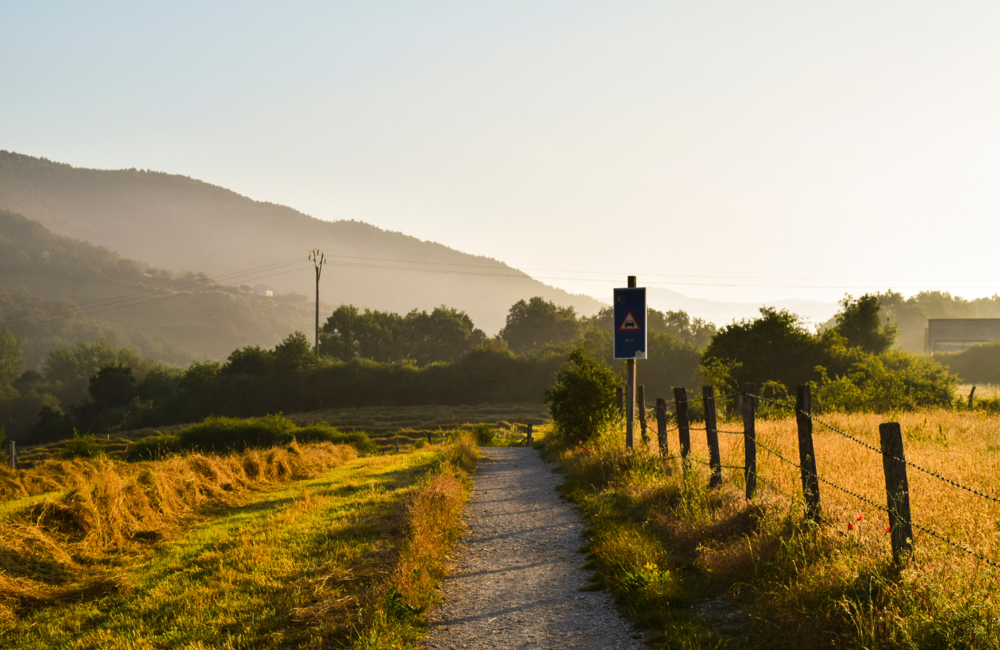
You’re walking through villages, vineyards, forests, and old stone towns, but also through conversations, quiet moments, and the kind of thoughts that only show up when your phone isn’t the centre of your universe.
When Did the Camino de Santiago Start?
The Camino has deep roots in the early Middle Ages. The short version goes something like this:
- Sometime around the 9th century, a tomb believed to be St James’s was reportedly discovered in Galicia.
- The site became a major Christian pilgrimage destination alongside Rome and Jerusalem.
- Over time, routes developed across Europe to Santiago, with infrastructure built to support pilgrims (think bridges, hospitals, hostels, and churches).
Like most historical things, it had peaks and dips. Wars, plagues, politics, and changing travel habits all played a part.
But the Camino never fully disappeared. In the late 20th century, it had a huge modern revival.
Today, it’s one of the most famous long-distance walks in the world, even for people who aren’t religious at all.
What Walking the Camino Actually Feels Like
I expected “lots of walking, pretty scenery.” True. But I didn’t expect the rhythm of it.
Most days fell into a simple loop:
- Wake up early (because everybody else is rustling bags like a raccoon in a crisp packet).
- Walk for a few hours.
- Coffee stop. Then another. Then “this is basically lunch now, isn’t it?”
- Arrive somewhere new, find a bed, and shower off the day.
- Eat with other pilgrims, swap stories, repeat.
The Camino is social if you want it to be. You can have deep conversations over tortilla and cheap red wine, or you can walk alone for hours listening to birds and your own dramatic inner monologue.
And yes: there’s a “pilgrim passport” (credencial).
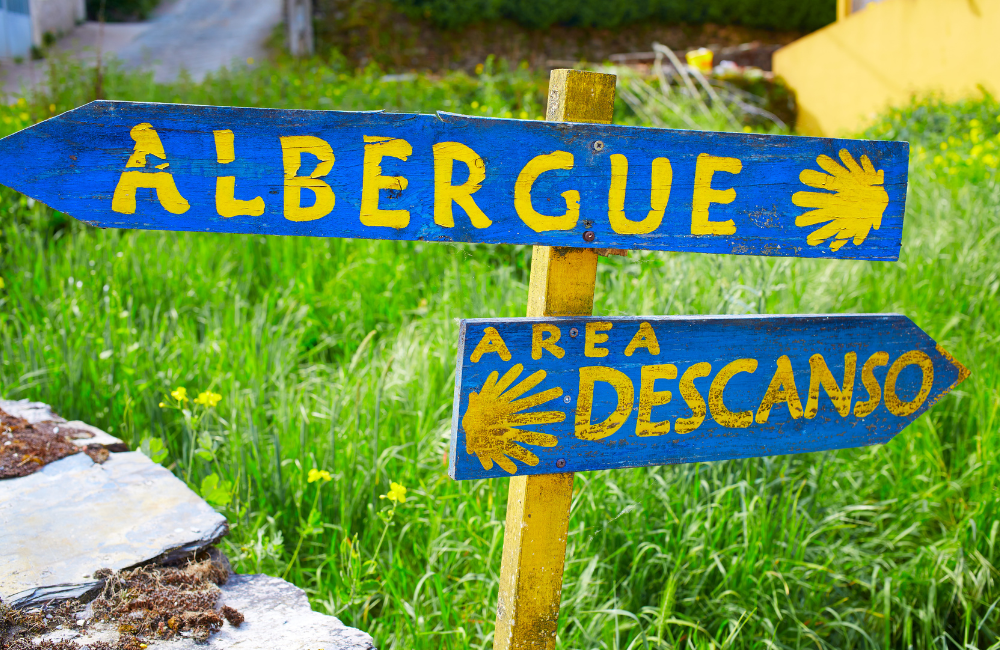
You collect stamps along the way from cafés, churches, and albergues (pilgrim hostels). It’s strangely satisfying, like Pokémon, but with ink.
If you want a bigger picture of what makes people do this in the first place, I’d also read Why Walk the Camino de Santiago? It nails the emotional side of the journey.
The Main Camino Routes You Should Know
When someone says “I’m walking the Camino,” they could mean a bunch of different routes. Some are coastal, some are mountainous, some are quieter, some are buzzing with pilgrims.
Here are a few of the best-known ones:
- Camino Francés (French Way): The classic. Busy, well-supported, iconic.
- Camino Portugués (Portuguese Way): Starts in Portugal (often Porto or Lisbon). Popular and a bit gentler.
- Camino del Norte (Northern Way): Coastal and stunning, but more demanding.
- Camino Primitivo: Older, hillier, quieter. Often seen as more “wild”.
- Vía de la Plata: Long route from the south (Seville area). Big distances, fewer crowds.
- Camino Inglés: Shorter route starting from Ferrol or A Coruña.
If you want to compare routes properly (distance, difficulty, vibe), this guide is the one: Camino de Santiago Routes.
Fun Facts and Camino Quirks I Didn’t See Coming
The Camino has a lot of little traditions and symbols that start to feel normal… until you remember you’re an adult collecting stamps while wearing a shell.
A few of my favourites include:
The Scallop Shell
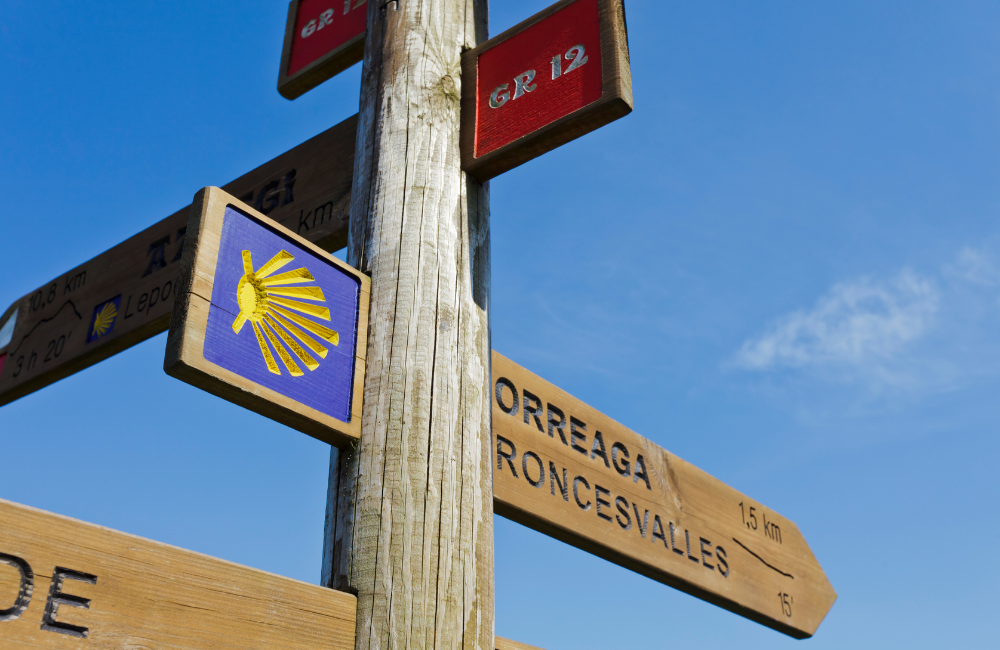
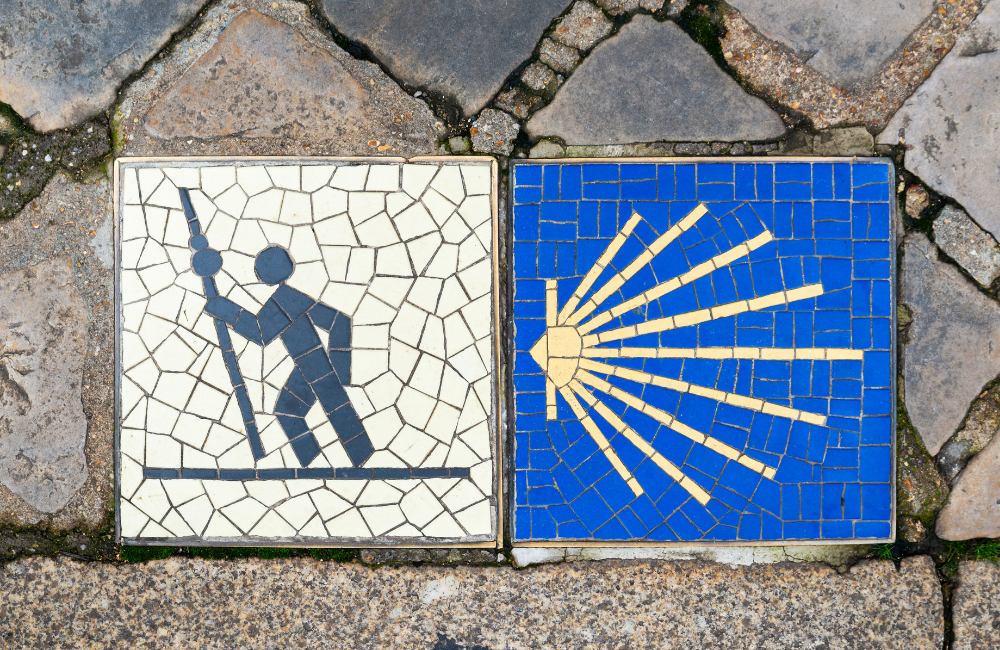
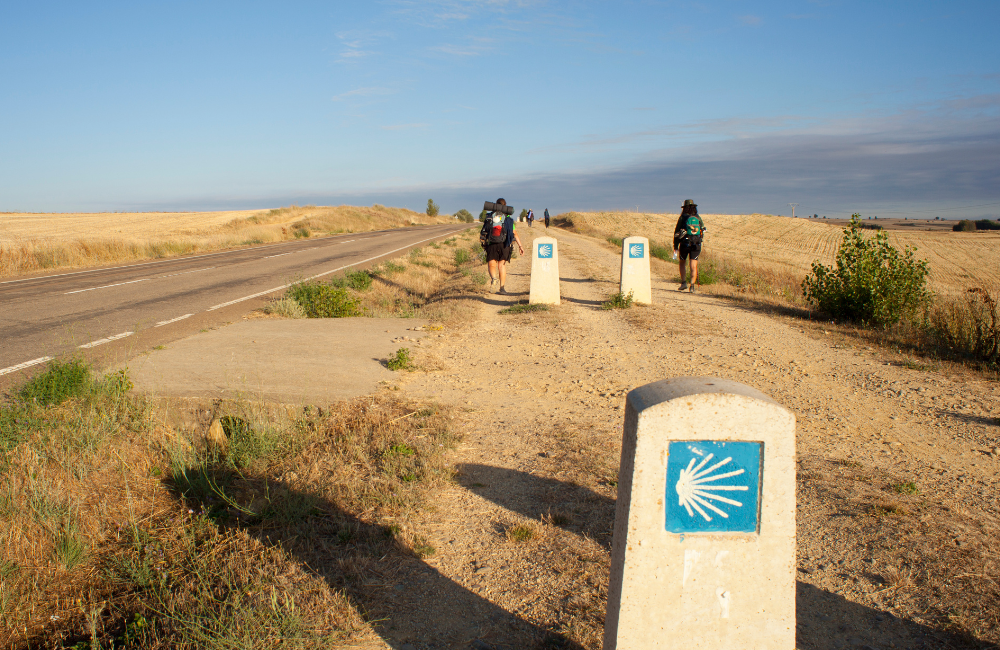
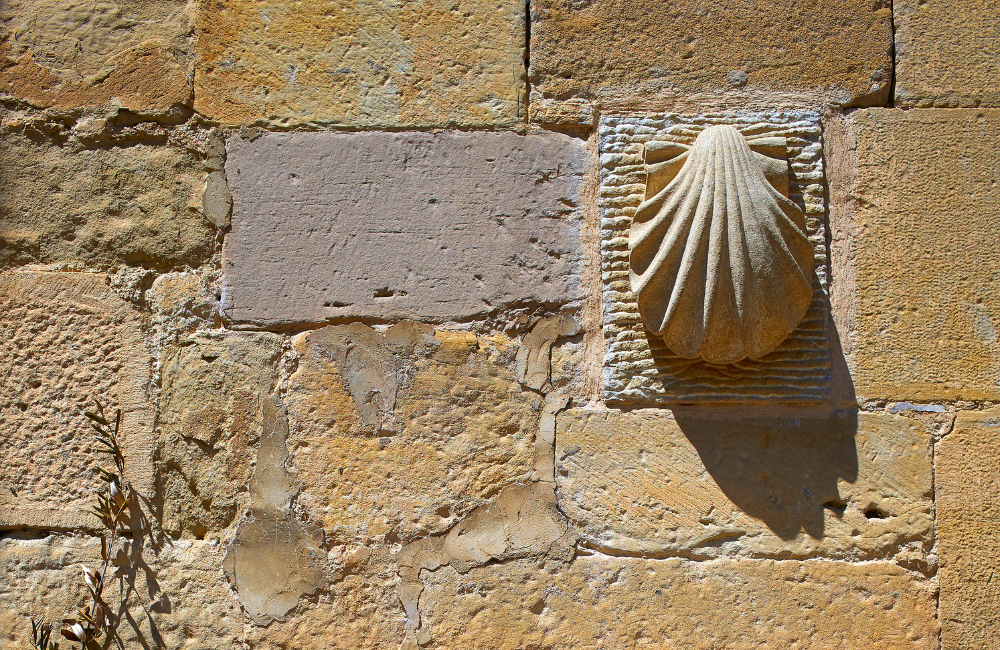
It’s the Camino symbol. You’ll see it on trail markers, signs, and backpacks. Historically, it was associated with pilgrims reaching Santiago and the coast beyond.
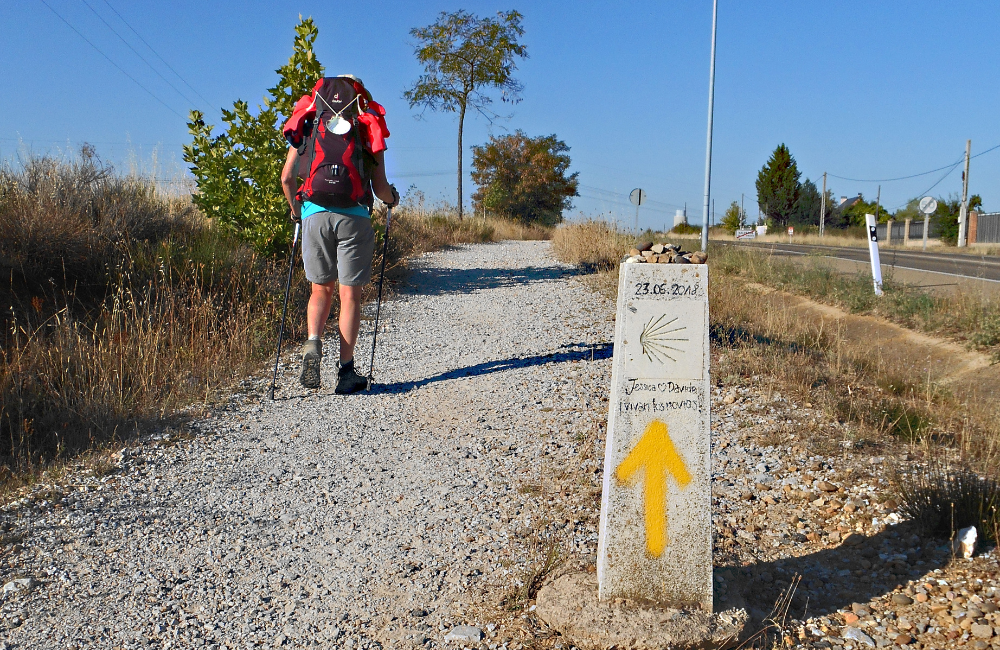
Yellow Arrows Everywhere
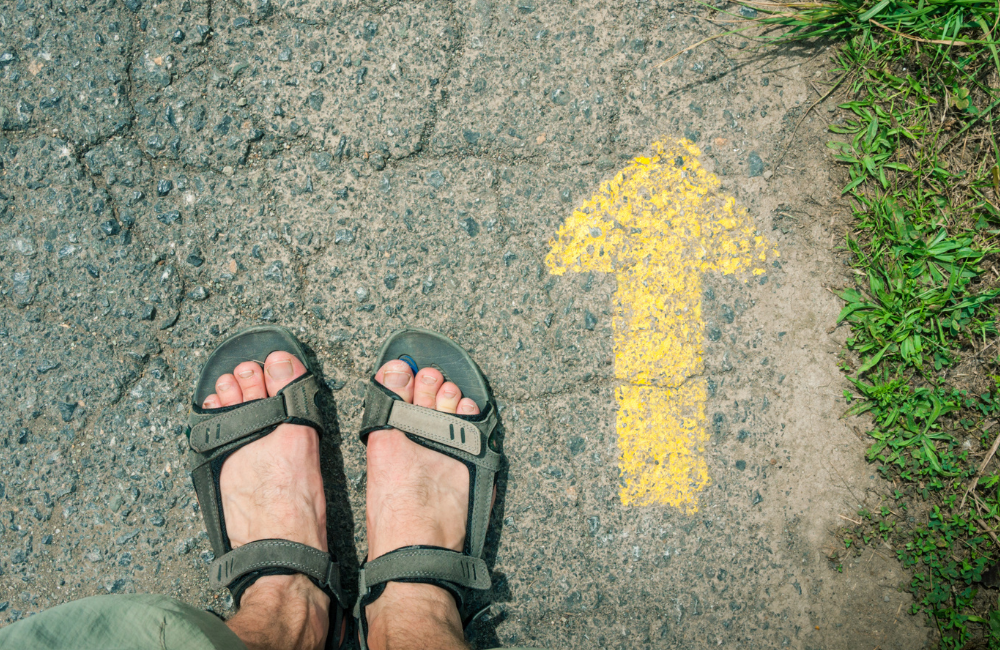
The modern Camino is famously marked with yellow arrows and shell signs. You’d have to try pretty hard to get lost… but don’t worry, some people still manage it.
The Compostela Certificate
If you walk a qualifying distance (often at least the last 100km on foot), you can receive the Compostela in Santiago. It is proof that you completed a pilgrimage.
The Botafumeiro
In Santiago Cathedral, there’s a massive incense burner called the Botafumeiro that sometimes swings through the cathedral like something out of a medieval action film.
Even if you’re not religious, it’s a memorable moment.
“Finisterre” isn’t the End (But It Feels Like It)
Many people keep walking to Finisterre (Fisterra) on the coast, once thought of as the “end of the world.” It’s a powerful extension if you’ve got time (and knees).
When To Go and What the Weather’s Like
Timing matters. The Camino can be done year-round, but the experience changes a lot depending on the season.
- Spring (April to June): Comfortable temperatures, green landscapes, good vibes.
- Summer (July to August): Hot, busy, and you’ll learn what “early start” really means.
- Autumn (September to October): Cooler, quieter, still lovely.
- Winter: Peaceful but tougher. Shorter days, more closures, and unpredictable weather.
Spain’s climate varies a lot by region, so your route choice affects what you’ll deal with.
If you want a broader sense of conditions and walking options across the country, this guide is handy: Hiking in Spain.
What You Need to Know Before You Go
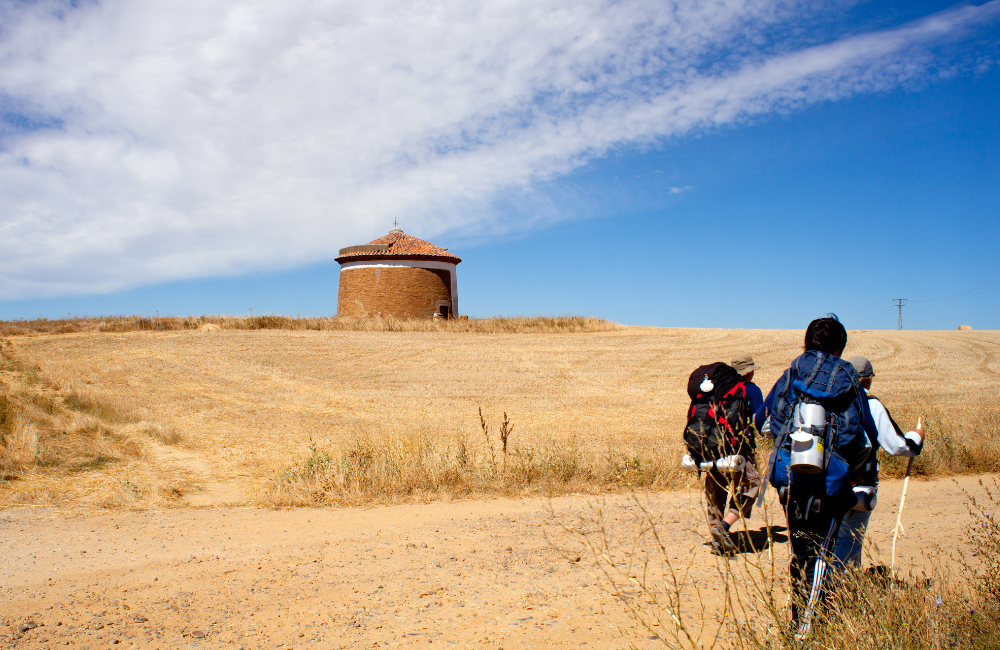
You don’t need to be an ultrarunner. You don’t need fancy gear. But a little prep makes the whole thing more enjoyable.
A Few Practical Tips From the Trail
- Pack lighter than you think. If you’re debating an item, you probably don’t need it.
- Look after your feet. Break in footwear, carry blister care, and don’t ignore hot spots.
- Start slow. The Camino punishes day-one overconfidence like it’s a sport.
- Stay flexible. Some days you’ll feel unstoppable. Other days, you’ll negotiate with your calves like they’re hostile negotiators.
- Respect the shared spaces. Albergues are part of the charm, but they’re also communal living on hard mode. Earplugs help.
And if you’re the sort of person who loves pairing one long walk with a few iconic side-adventures, Spain has options that are very different from the Camino, like the dramatic cliff walkway at El Caminito del Rey.
So…What is The Camino de Santiago, Really?
And there you have it: On paper, it’s a long-distance pilgrimage to Santiago de Compostela.
In reality, it’s a weird, wonderful walking ecosystem where history, community, and personal challenge all overlap.
Some people go for faith. Some go for fitness. Some go because life feels loud and they want a quieter channel for a while.
I went expecting a hike with cultural perks.
I came back with stronger legs, a softer mind, and an alarming attachment to simple routines: walk, eat, stamp, sleep, repeat.
And honestly? If you’re curious at all, start reading, pick a route, and let the idea simmer. The Camino has a way of calling your bluff when you say, “Yeah… one day.”
